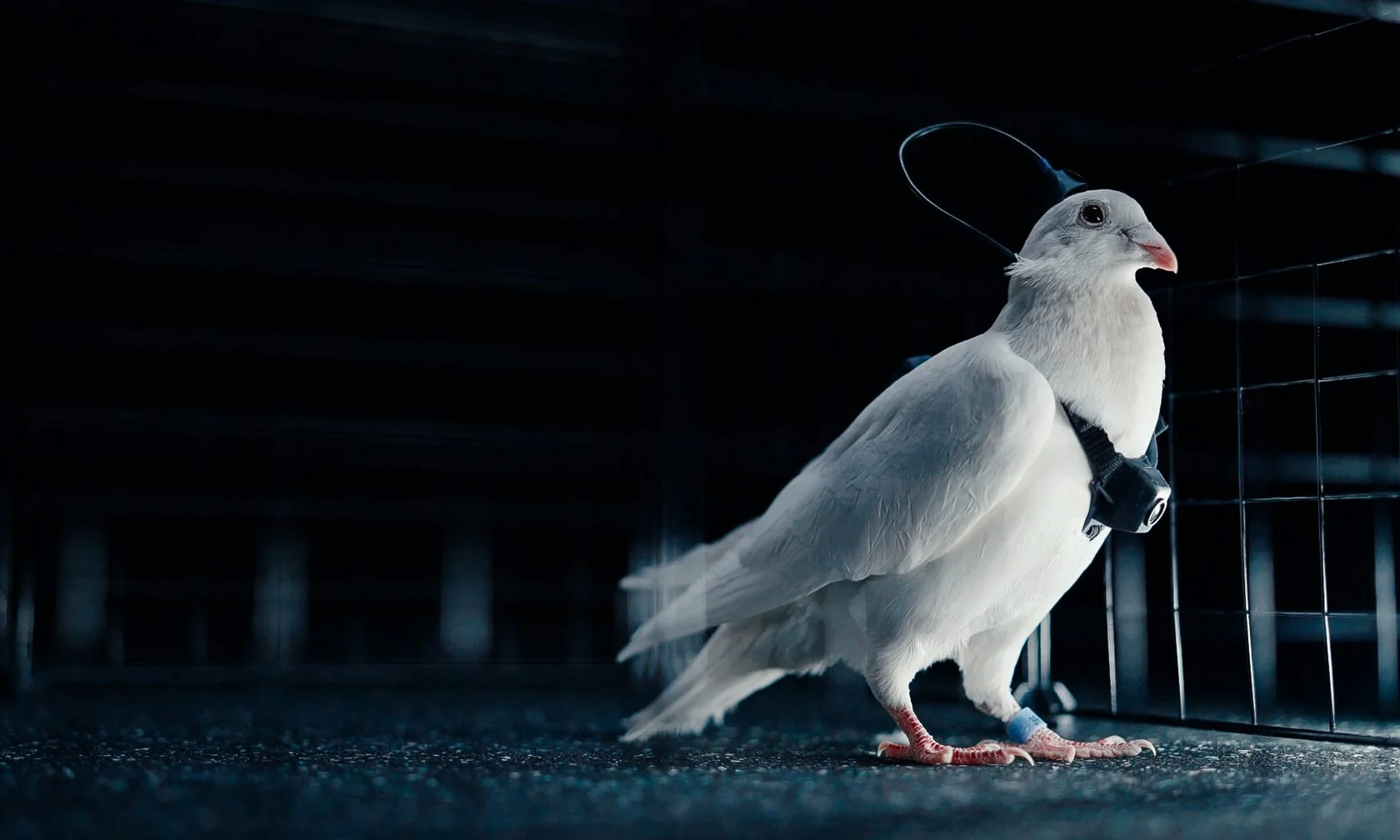
Russian biotechnology firm Neiry announced it is putting brain implants in pigeons in order to remotely direct the birds’ flight paths. The new tech will be used for environmental monitoring – and probably spying.

Welcome to my blog.
Russian biotechnology firm Neiry announced it is putting brain implants in pigeons in order to remotely direct the birds’ flight paths. The new tech will be used for environmental monitoring – and probably spying.
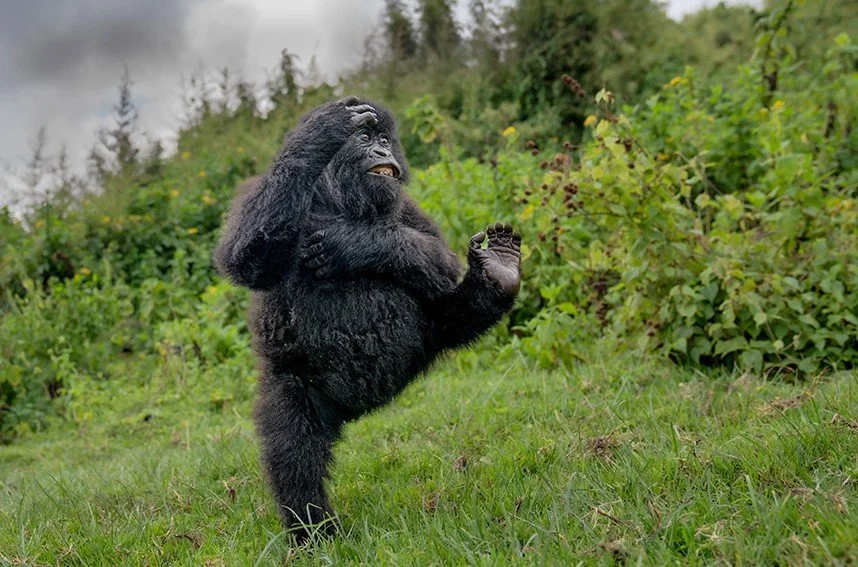
Photographer Mark Meth Cohn was hiking in the Virunga Mountains in East Africa when he happened upon a troop of gorillas, including one young male “especially keen to show off his acrobatic flair: pirouetting, tumbling, and high kicking.” The result is “High Five,” the overall winner of this year’s Nikon Comedy Wildlife Awards. Cohn wins a week-long safari for two in Kenya for his winning effort.
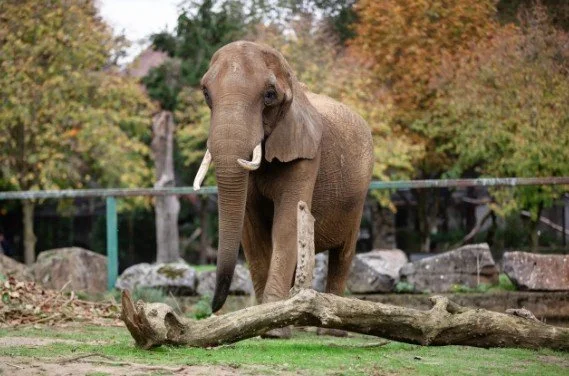
An African elephant named Kariba has bounced around since her family was wiped out by ivory hunters 40-plus years ago. The orphan has lived in various European zoos since then but soon – in early 2026 – she will be housed in a real sanctuary in Portugal. How well she fares there could help decide the fates of an estimated 625 elephants in captivity around Europe.
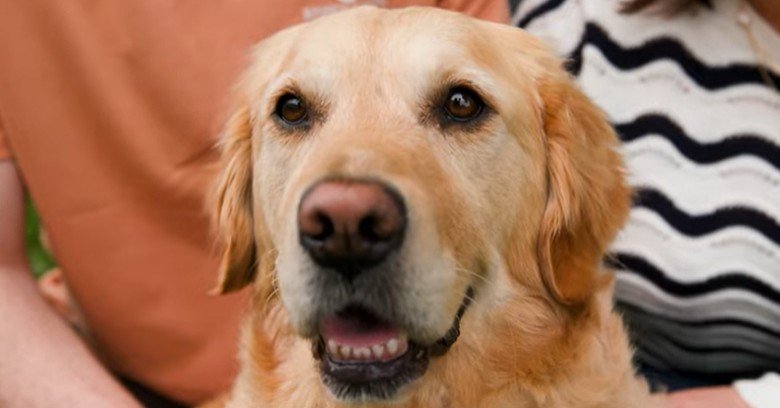
A vigilant golden retriever named Polly noticed something was off with her owner, Adam Cooke of Ireland, as he slept. Cooke was breathing strangely, which got Polly to bark until Cooke’s wife, Hannah, awoke to find her husband’s labored breathing. Then he stopped breathing altogether.
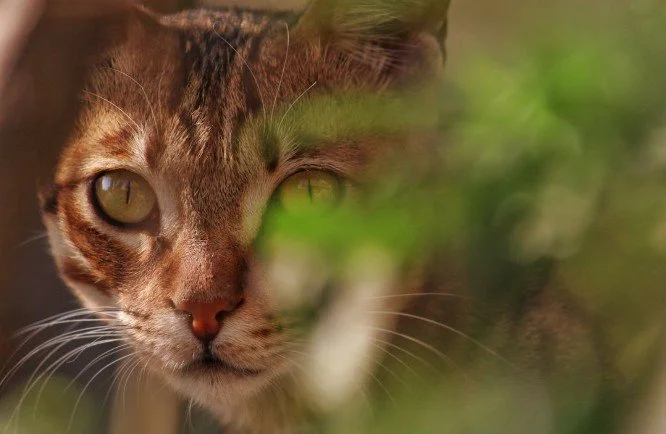
It has long been thought that cats began to bond with humans around 10,000 years ago and that our love affair with felines arose in the same part of the world, the Levant. New research is upending both of those notions.
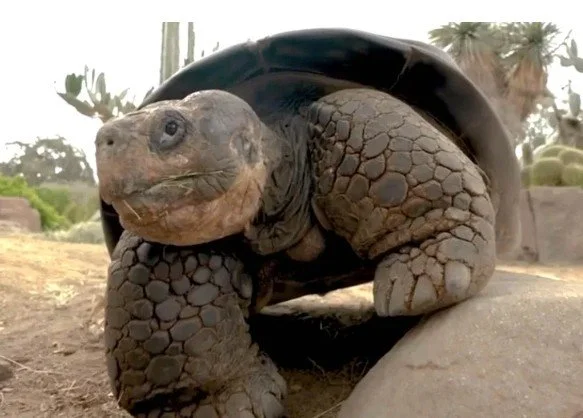
he San Diego Zoo said goodbye last week to its oldest resident, a Galápagos tortoise named Gramma who lived at least 140 years. Dubbed “Queen of the Zoo,” Gramma came to San Diego sometime between 1928-31.
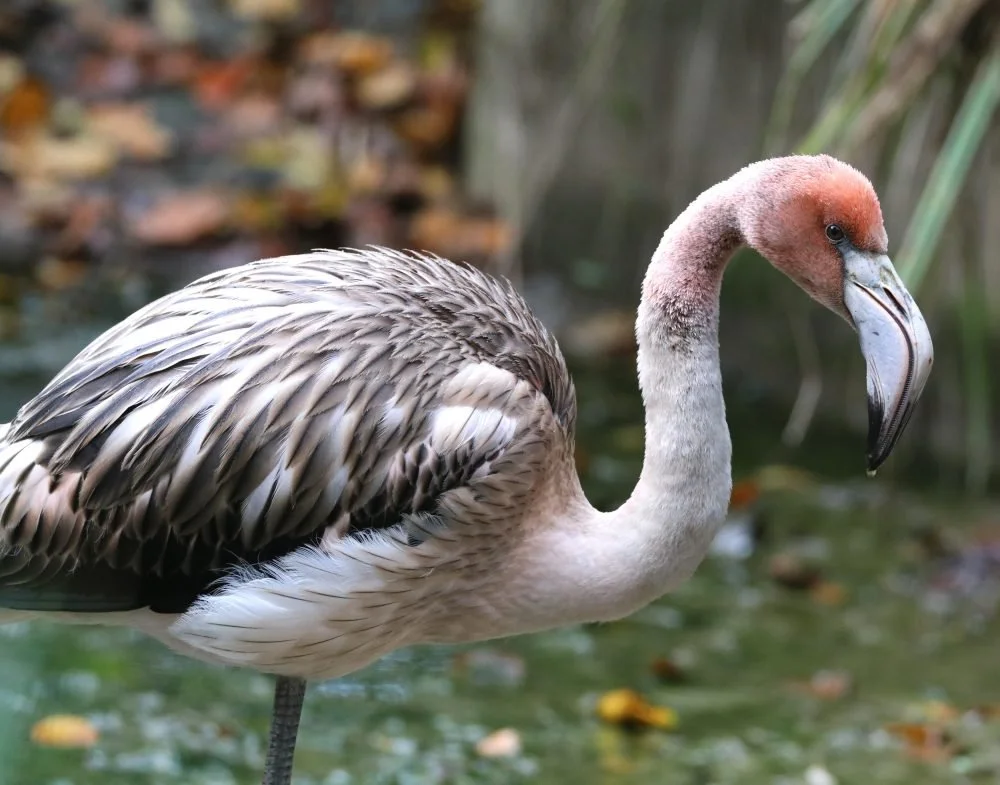
On a windy Sunday morning in Cornwall, a young flamingo took flight from a local sanctuary. By the following day, she had crossed the Channel and arrived on Île Aganton along the north coast of France, 130 miles from where she began.
This month Japan deployed troops to fend off bear attacks in the northern prefecture of Akita. Bears have gone a bit nuts here this year, killing at least a dozen people since April and injuring more than 100.
We’ve covered this kind of behavior before: moronic tourists getting too close to wildlife in Yellowstone National Park. This time it was a man armed with pepper spray walking directly into a pack of wolves. Wildlife photographer Keith Allen Kerbs captured the incident (from a safe distance, using a 500-mm zoom lens) and posted a video on Instagram. The clip shows the man walking toward at least five wolves as he waves his arms. The wolves approach him and quickly back away as he wields the pepper spray.
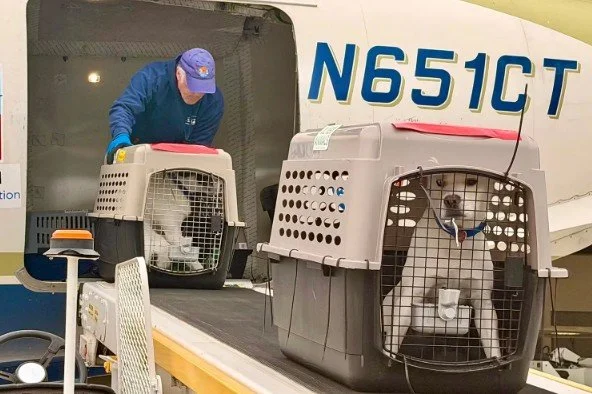
Longtime television hostess Giuliana Rancic organized an impressive airlift out of Los Angeles this week: 109 dogs stuck in overcrowded California shelters and slated for euthanization were flown out to more accommodating rescues elsewhere in the country.
The endangered Siberian tiger, also known as the Amur tiger, is rarely seen in the wild, but this year the world’s largest big cat is making unwelcome appearances in Russia’s far east. The tigers are preying on dogs, livestock, and in a few cases, humans.
Raccoons love to live near humans, especially in urban environments where there happens to be lots of food (trash). Researchers from the University of Arkansas at Little Rock have observed subtle anatomical changes in these little trash pandas that suggest they are becoming domesticated by spending so much time around us.
A fashion show in Chelsea this week featured a very special kind of fabric: wool harvested from gay sheep. Designer Michael Schmidt teamed up with German sheep farmer Michael Stücke and LGBTQ dating app Grindr to launch a line of knits that have the added benefit of saving the lives of the sheep that produced the wool.
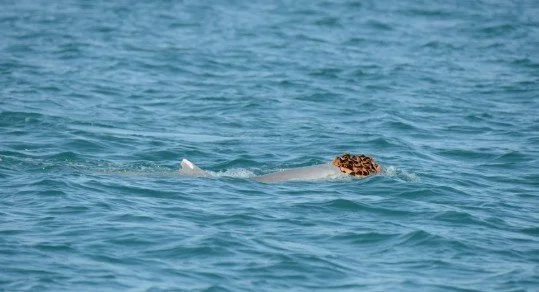
We’ve documented orcas wearing hats made of dead salmon. Now comes another cetacean making a fashion statement: humpback dolphins sporting hats of sponge.
he Mexican government was all set to eradicate the spiny-tailed iguana on Clarion Island. But now researchers have discovered that the reptile is in fact a native of the remote island and not an invasive species.
This week former NFL quarterback Tom Brady announced that his pitbull mix called Junie is a clone of his late dog, Lua. The Fox football analyst had shared Lua, who died in 2023, with ex-wife Gisele Bündchen and their children.
The world’s most endangered porpoise species clings to existence in the Sea of Cortez off San Felipe, Mexico. There are only between seven and 10 vaquitas alive, but a survey last month revealed some good news: a newborn calf (with maybe another on the way).
At least three weirdly colored dogs have been spotted in the Chernobyl Exclusion Zone, the abandoned area around the 1986 nuclear reactor disaster site. This month, researchers from Dogs of Chernobyl recorded canines with blue fur, and they’re not sure how it happened.
Earlier this year the West Coast Game Park Safari in Bandon, Oregon was shut down following a years-long investigation into the deplorable conditions at the roadside petting zoo. Hundreds of animals – lions, tigers, chimpanzees, camels, goats, capybaras – were victims of neglect; now some are finding a new life in sanctuaries. The Wildcat Sanctuary in Sandstone, Minnesota shared photos of its adopted jaguar, a sleek cat the shuttered petting zoo had called Lucifer, now known as Louie. The sanctuary also took in Bently the leopard, Nasha the lioness, and Lyla the lynx. The rescues enjoy spacious habitats and tender care in Minnesota, a far cry from their former lives.
When we last left the sea otter known as Otter 841, the 5-year-old female was harassing surfers off of Santa Cruz, commandeering – and occasionally taking a bite out of – their surfboards. That was two years ago; now she’s back, perhaps.