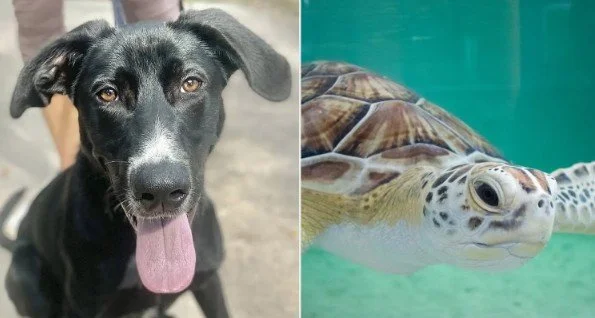
April is a busy month for a certain dog on South Padre Island, Texas. Magpie, a mixed breed rescue pup just over a year old, is on her new job of sniffing out endangered sea turtle nests buried in the sand.

Welcome to my blog.
All in Conservation
April is a busy month for a certain dog on South Padre Island, Texas. Magpie, a mixed breed rescue pup just over a year old, is on her new job of sniffing out endangered sea turtle nests buried in the sand.
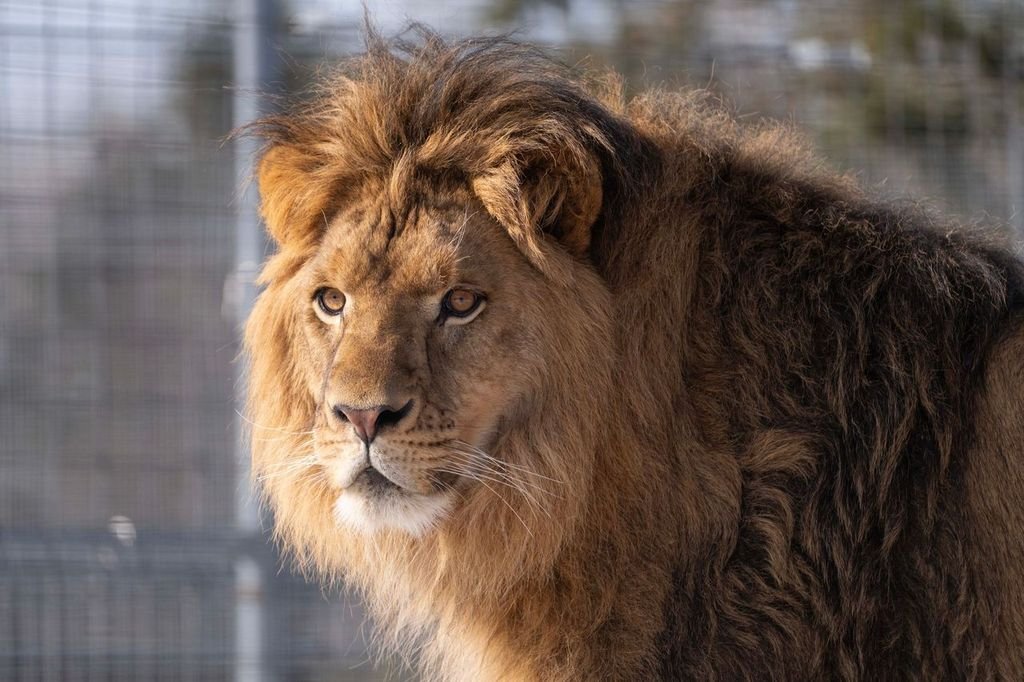
A young lion that went missing after being sold – illegally – as a cub has been reunited with his parents after a year and a half separation. His ordeal began in Quebec, where the feline family had been separated after a roadside zoo was shut down.
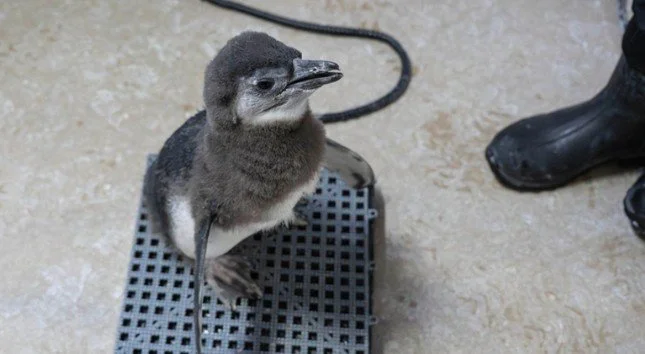
A critically endangered African penguin is making his debut at the New York Aquarium, joining his parents and 35 other penguins at the Coney island aquarium’s Sea Cliffs habitat.
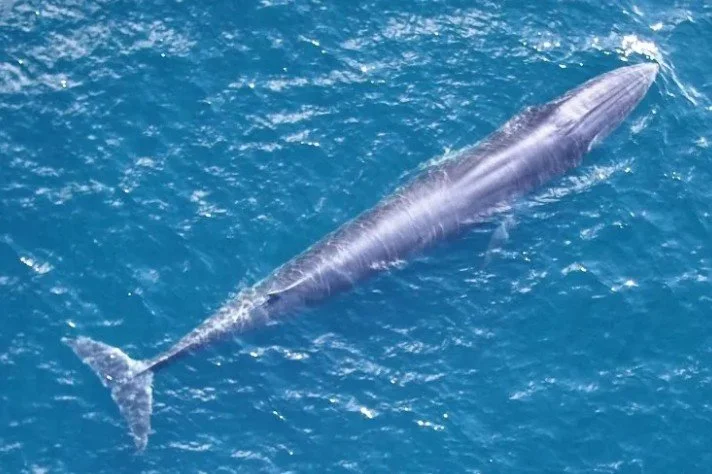
This week a committee of Trump administration officials voted unanimously to exempt the oil and gas industry from requirements of the Endangered Species Act in the Gulf of Mexico. The exemption – which will lift protections for endangered whales, turtles, and other species – is being invoked now for “national security.”
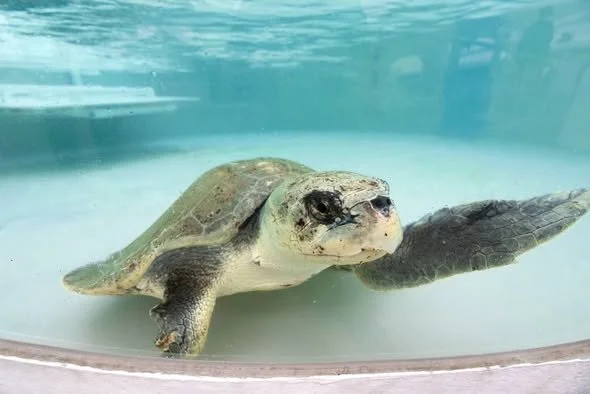
This week, a sea turtle hospital in Florida released a rare Kemp’s ridley sea turtle back into the sea after its months-long rehab. The turtle, which the Loggerhead Marinelife Center named Amelie, had had her right forelimb amputated after a traumatic injury. The vets will monitor Amelie’s travels from space.
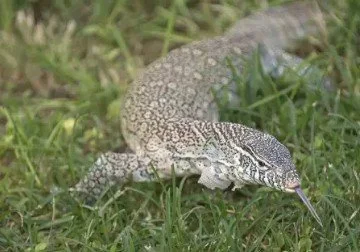
Move over, Burmese python. There’s another invasive species chomping through Florida: the Nile monitor, a big omnivorous lizard naturally found in Sub-Saharan Africa. Like the invasive python, the Nile monitor has been on the loose in Florida for decades, likely escapees from the exotic pet trade.
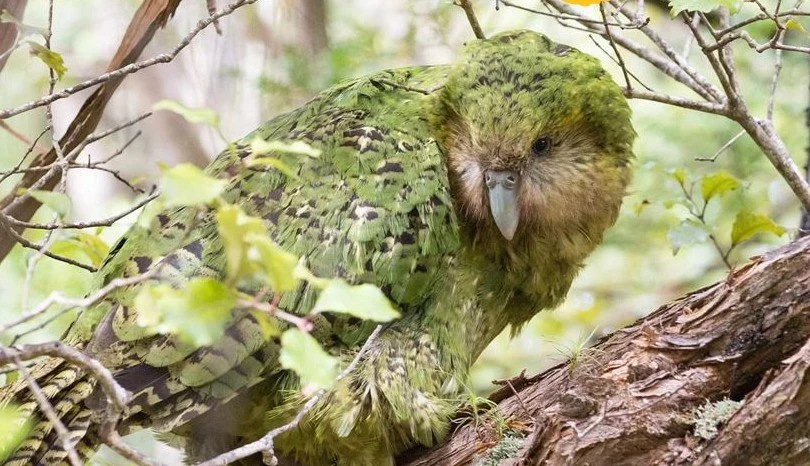
Conservationists in New Zealand have high hopes for this year’s kākāpō mating season. That’s partly because there’s been a bumper crop of this big bird’s food staple, the berrylike fruit of the rimu tree. The critically endangered species will spend the next few weeks getting busy, one hopes.
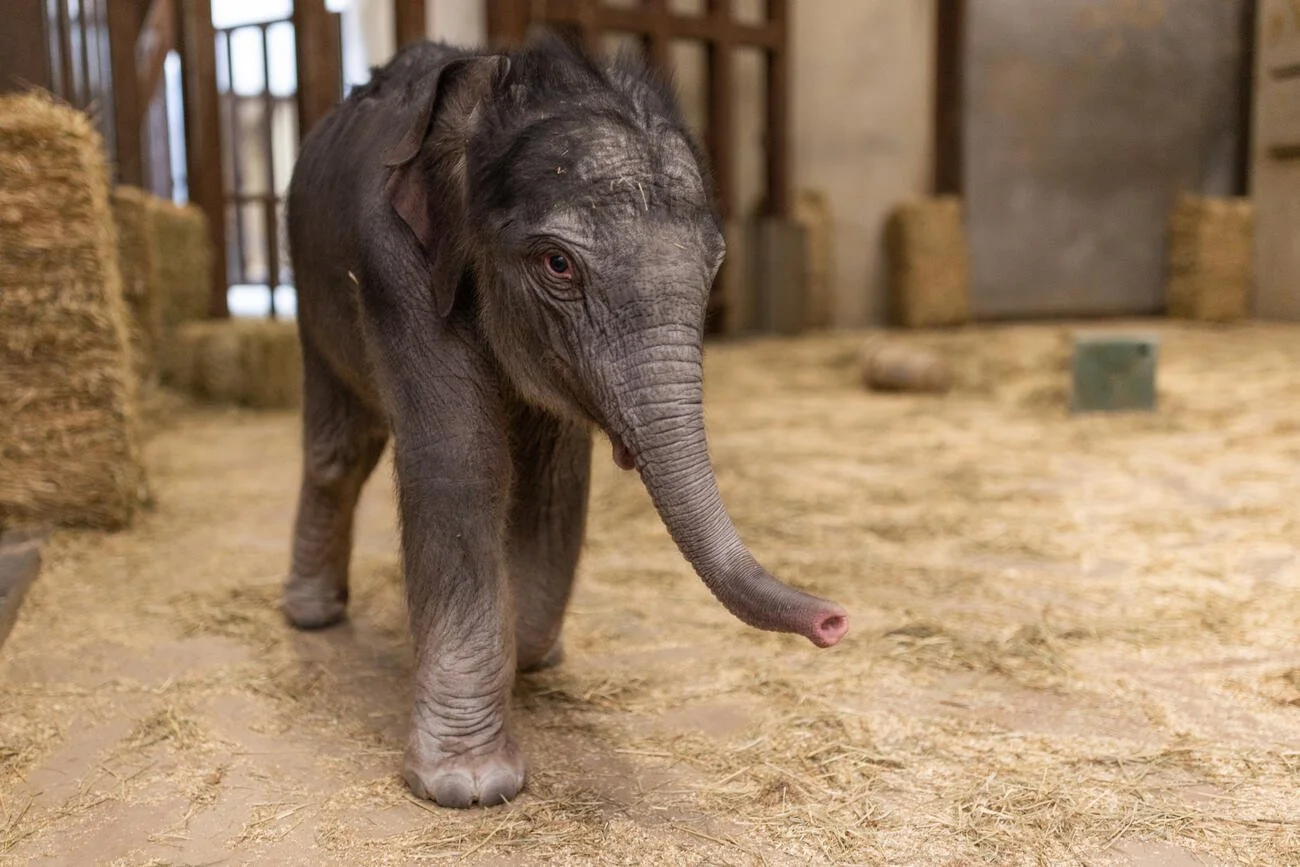
The Smithsonian’s National Zoo announced the birth this week of an Asian elephant—an endangered species. The female calf was born on Groundhog Day at 1:15 a.m. to 12-year-old mother Nhi Linh and 44-year-old father Spike.
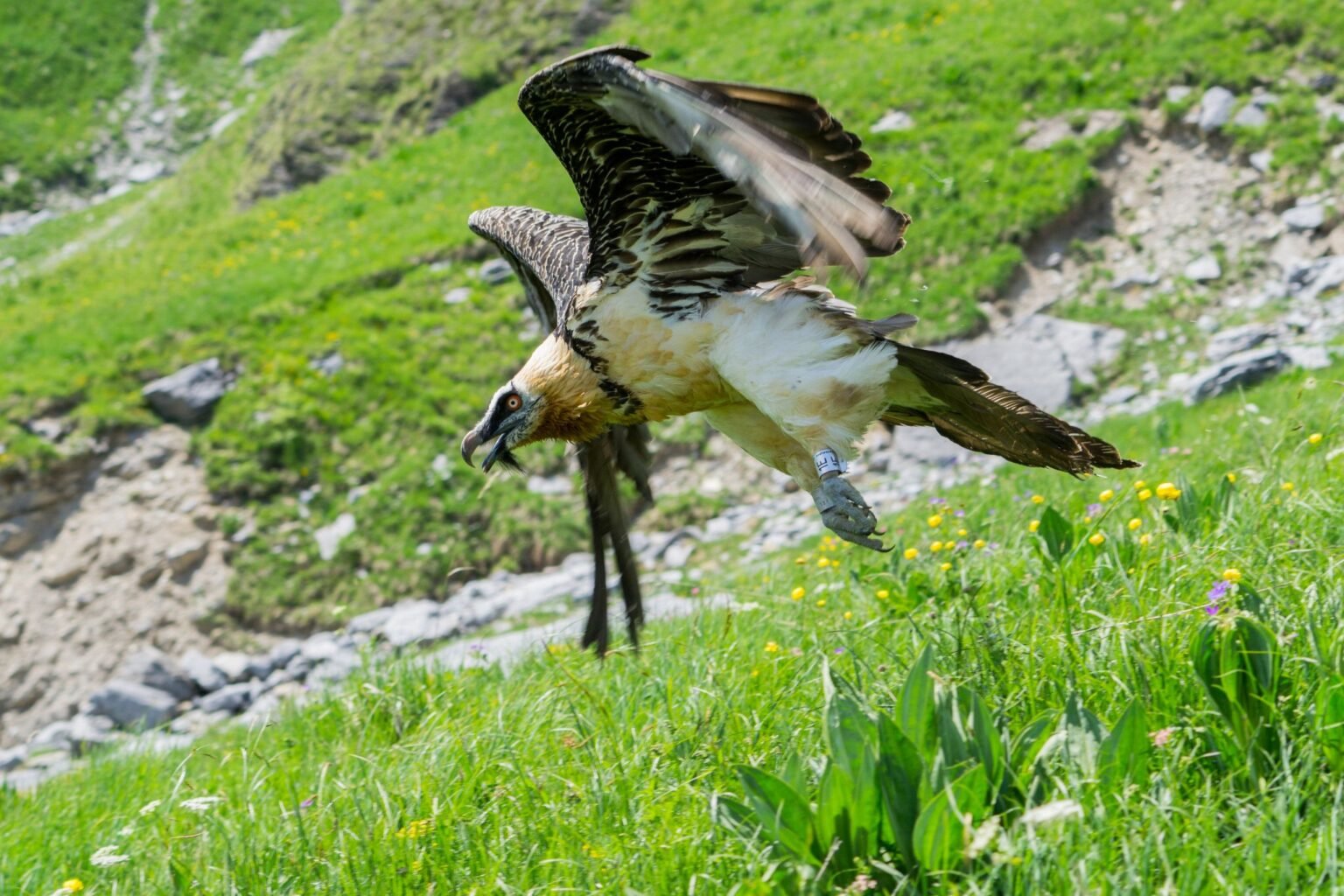
Last October a sickly bearded vulture was rescued by a roadside in Haute-Savoie, France, just south of Geneva. Taken to a veterinary clinic that specializes in vultures, the staff learned this specimen is 37 years old, the world’s oldest bearded vulture outside of captivity.
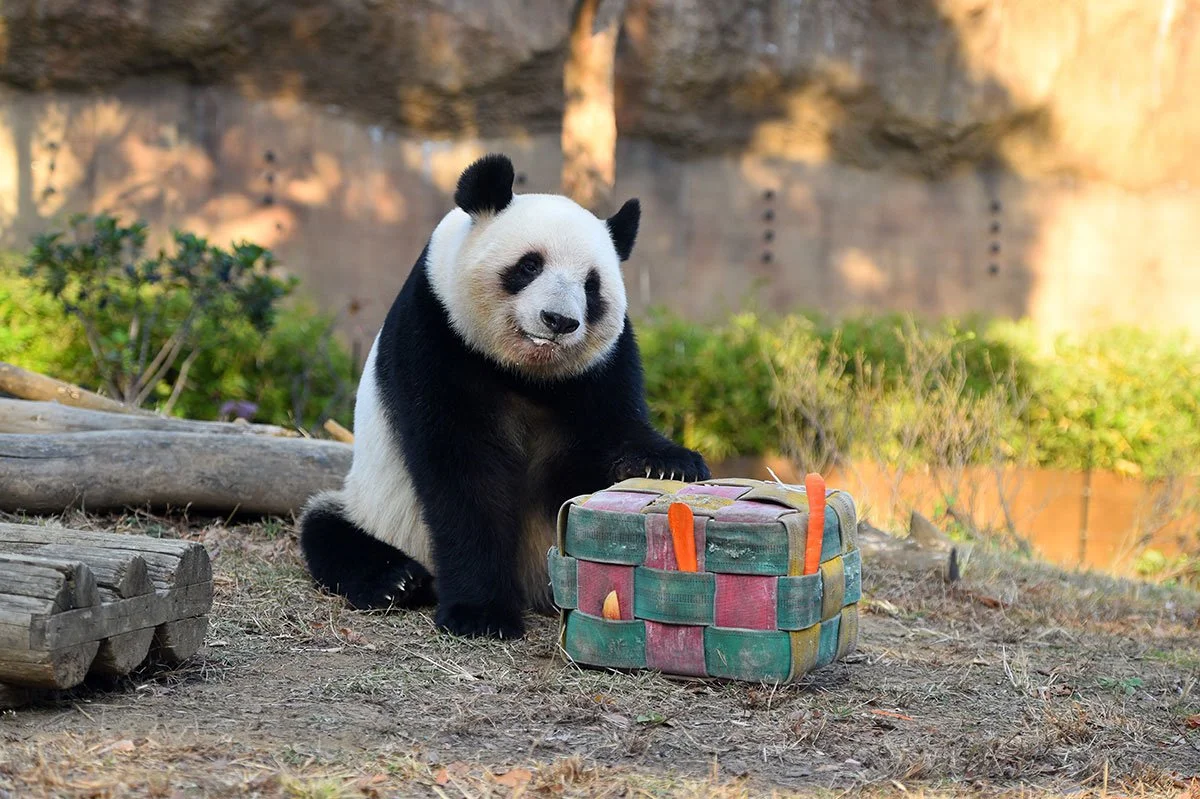
For the first time in more than fifty years there will be no pandas in Japan. That’s because five-year-olds Xiao Xiao and Lei Lei, born at Ueno Zoo in Tokyo, are being shipped off to China this week. The sibling twins were born to Ri Ri and Shin Shin, who had arrived on loan from China in 2011, and returned there in 2024.
he Mexican government was all set to eradicate the spiny-tailed iguana on Clarion Island. But now researchers have discovered that the reptile is in fact a native of the remote island and not an invasive species.
The world’s most endangered porpoise species clings to existence in the Sea of Cortez off San Felipe, Mexico. There are only between seven and 10 vaquitas alive, but a survey last month revealed some good news: a newborn calf (with maybe another on the way).
Cougars once roamed freely throughout much of North America but were exterminated in many states by the 20th century, including Michigan, which killed off its last wild specimen in 1906. In recent years the predator has been seen again on the Upper Peninsula and wildlife experts wonder if the species can re-establish a breeding population here.
A small group of lions have left their traditional stomping grounds in the Namibian desert and have found new life – and plenty of seals to eat – on the country’s Atlantic coast. The 12 lucky lions now prowling the Skeleton Coast are part of a population of maybe 80 stuck in the Namib Desert which features massive sand dunes and the weird Welwitschia plant which can live for 2000 years.
A monkey born in the Oklahoma City Zoo is getting lots of attention because of his brilliant orange fur, but it’s perfectly natural for a François langur, an endangered species that starts life with color, then darkens up as it ages.
Earlier this month, the Aquarium of the Pacific announced that its giant Pacific octopus named Ghost had laid a clutch of eggs, but that her days were numbered. She had entered the last stage of her life cycle, senescence, when a female lays eggs that won’t hatch.
This week the Missouri Department of Conservation hosted a birthday party for its beloved turtle Peanut. The old girl’s defining characteristic is her unusual figure-eight shaped shell, the result of getting stuck in a plastic six-pack ring when she was very young.
A man discovers purpose when he helps rescue a baby pangolin in South Africa. Their story, told in the Netflix documentary Pangolin: Kulu’s Journey, is both soothing and difficult as the volunteer conservationist grows a deep emotional attachment to his vulnerable friend.
The Philadelphia Zoo welcomed nine more Galápagos tortoises this week, the latest output of Mommy and Abrazzo, the zoo’s oldest residents. The parents are estimated to be about 100 years old; Mommy has lived at the zoo almost as long, since 1932.
China’s surveillance state has arrived at the remote Hoh Xil area plateau of Tibet, although it’s not citizens being watched. Here conservationists are using a robot dressed up like an antelope to spy on the local herds.