After 40 Plus Years, a Homeless Elephant Finds Sanctuary
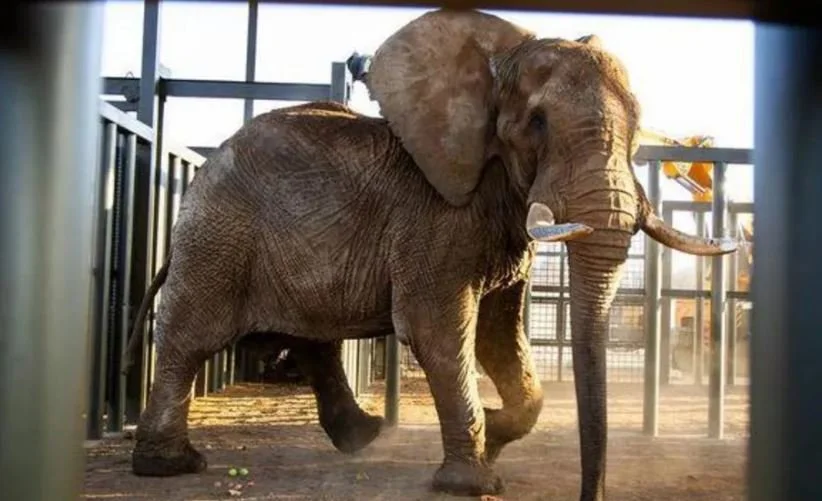
An African elephant named Kariba has bounced around since her family was wiped out by ivory hunters 40-plus years ago. The orphan has lived in various European zoos since then but soon – in early 2026 – she will be housed in a real sanctuary in Portugal. How well she fares there could help decide the fates of an estimated 625 elephants in captivity around Europe.
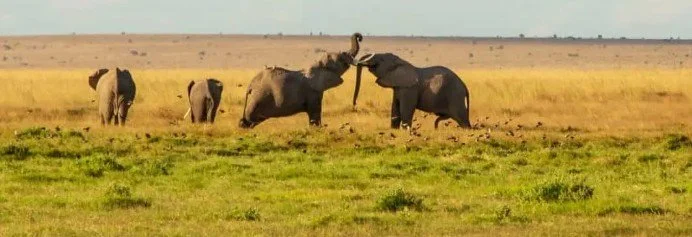
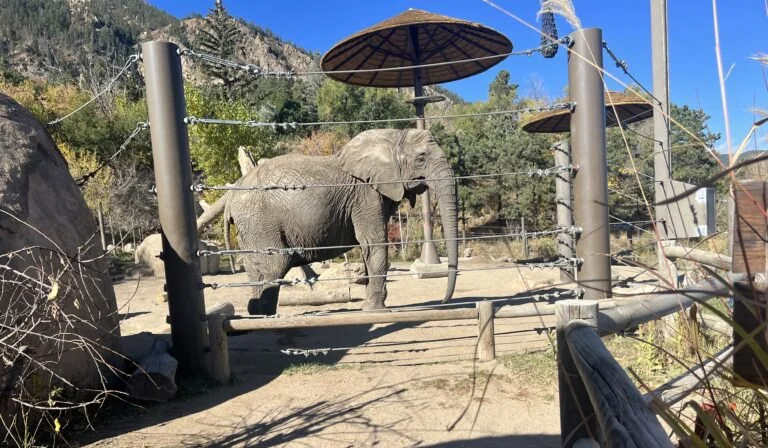
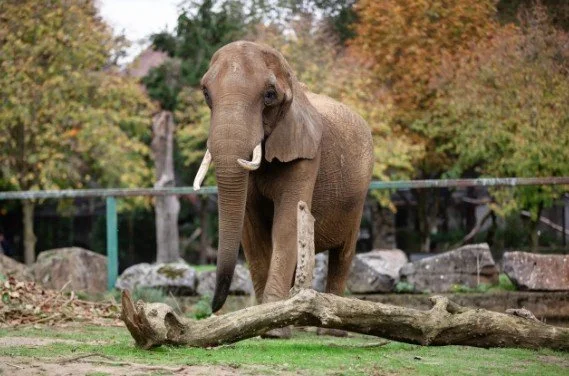
Most animals in zoos live longer than they otherwise would in the wild, but not so for elephants. The African elephants in Kenya’s national parks live almost three times longer on average than those in European zoos. Even working Asian elephants in Burma’s logging industry live twice as long. What to do with the hundreds of elephants languishing behind bars in Europe?
Enter Pangea, a new 1,000-acre sanctuary in Alentejo, Portugal modeled on large-scale facilities in Asia, Africa, and the Americas. The nonprofit has enlisted the help of wild elephant biologists and other experts to restore the habitat here, where native wildlife can thrive alongside elephants that will roam and socialize freely.
Pangea is promising a new life for Kariba and elephants like her. “She’ll walk on soft earth under open skies, explore the hills and forests of her new home, and meet other elephants who will become her family,” according to the nonprofit’s website.
The site in Portugal will be mostly closed to visitors, as it is designed as a sanctuary for elephants, not humans. While some younger elephants might be prepped here for re-entry into the wild, that sort of program will be secondary to animal welfare. For the most part Pangea will be more retirement home than rehab.
Pangea is not the answer for the scores of elephants around Europe in need of sanctuary, but it is a start. The space in Portugal can accommodate about two dozen elephants to keep Kariba company. Many more will need placement, and Pangea hopes to be the template for sanctuaries elsewhere.
Pangea’s story is recorded here. Read more about Kariba here.
Photo credit: Pangea