Kabul Small Animal Rescue Carries On in Tough Conditions
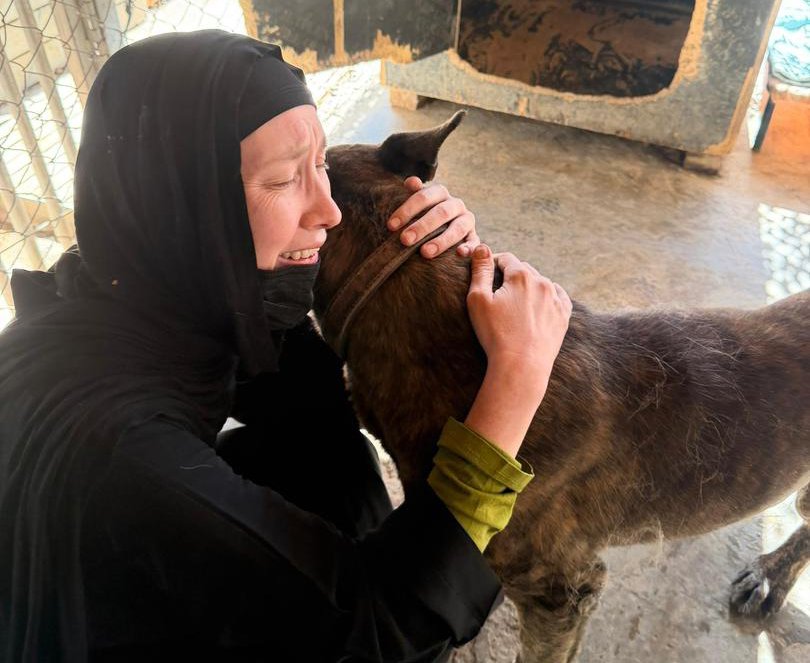
When we last spoke with Charlotte Maxwell-Jones, the woman from East Tennessee had just shepherded hundreds of dogs and cats out of war-torn Afghanistan, shipping them to new homes in North America. The Kabul Small Animal Rescue was operating under extremely difficult circumstances at the time, and the situation in Afghanistan has not exactly smoothed out since.
We reached Maxwell-Jones by phone this week to talk about the Kabul rescue, which has expanded – a lot – in recent years, even under the trying conditions and watchful eyes of the Taliban. Charlotte won’t say much about the ongoing skirmishes on the Afghanistan-Pakistan border, other than that it’s made it more difficult for the rescue to import supplies.
“Foodstuff and meds come from or through Pakistan, but borders are closed now, except in the north. You can’t reroute. Longterm, I don’t know what’s going to happen. Some things come from Iran – cement, building materials, electrical equipment, and some dairy products. But that’s obviously on hold.”
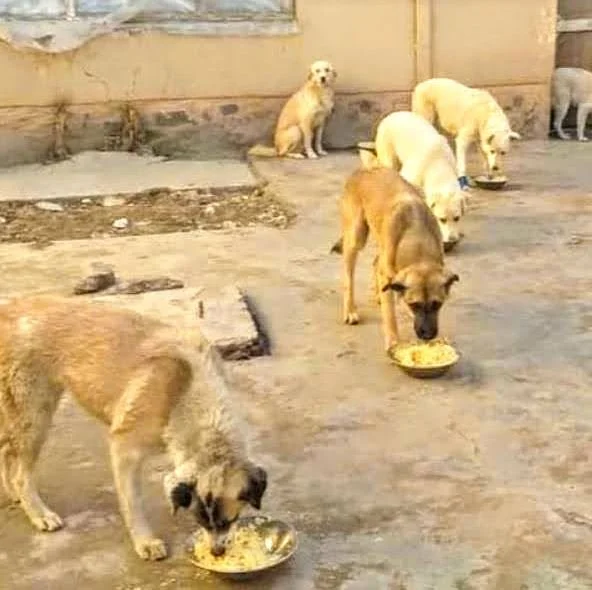
Supplying the operation is a challenge, now that it has grown to 18 shelters in Kabul, two hospital facilities, and a couple of small sanctuaries, all staffed by 115 humans. “Our operations are enormous – and we probably need more.”
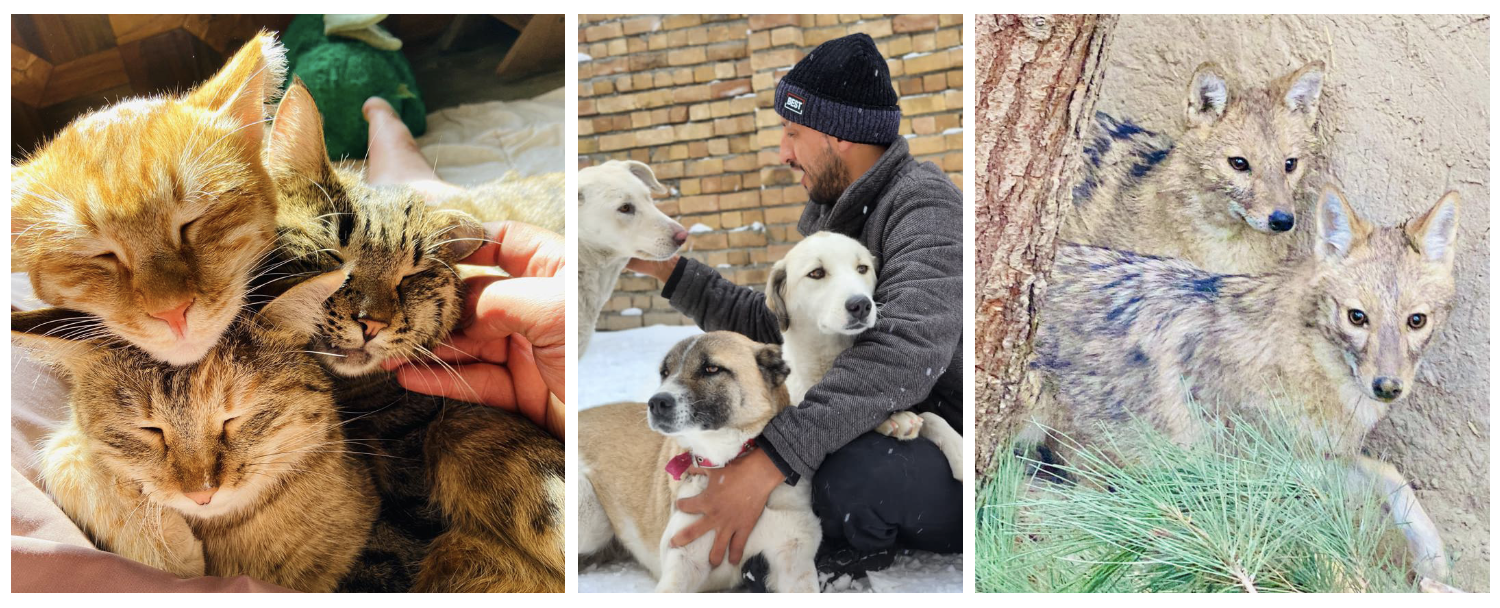
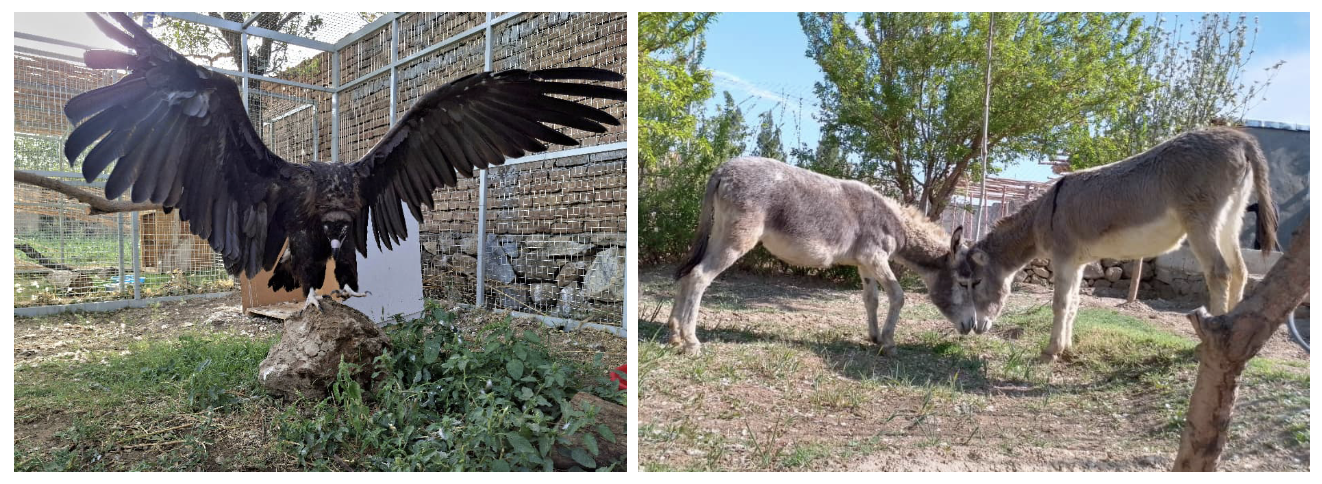
The current nonhuman population includes 250 dogs, 130 cats, 10 sheep, 4 goats, cows, donkeys, tortoises, rabbits, eagles, chickens, and budgies. On top of caring for these orphaned pets, the rescue has begun tending to injured wildlife as well: they’ve treated gazelles, an ibex, golden jackals, a couple of rhesus macaques (“Luckily they were both females; the males are agressive”), and three different species of vultures.
“Everything is more expensive; prices can go up overnight. Massive inflation problems. The cost of rice has tripled or something. Food insecurity is only getting worse.” The rescue makes its own dog food, in which they add commercial kibble. “We also put red lentils in the dog food – crazy expensive but a nice protein source.”
Finding homes for the animals is a challenge. “There’s some local adoption, but I mean like five or six cats taken in over the past few years.” European shelters are likewise overwhelmed, as they’ve been taking in animals during the war in Ukraine.
Maxwell-Jones organized another big airlift in June, 2024, sending 196 dogs and 99 cats to Washington DC, from where they were placed in homes by 40 different stateside rescues. “We made sure every animal has a place.” These days another airlift on that scale is out of the questions. “Airspace in the Middle East is on and off right now. I wouldn’t put an animal on a plane because flights are so untrustworthy.”
It takes money to keep this sprawling, worthy organization afloat, and nearly all of Kabul Small Animal Rescue’s funding comes from private donations. Start here if you’re interested in helping out. There are Facebook and Instagram pages as well. The rescue’s Patreon site has proven to be its most reliable conduit for donations.
Charlotte is mostly sanguine about the trials of operating in Afghanistan, as she knows things could always be worse. “Rescues in Iran are much worse off, as are the rescues in Beirut. Nobody here is taking missile fire right now.” After a short pause: “I hope I don’t jinx it.”
Photo credit: Kabul Small Animal Rescue