How Americans Went from Bird Killers to Nature Lovers
Something profound happened to Americans in the early part of the 20th century, right around the time they had erased the passenger pigeon from existence. The destruction we had brought to these and other avians led to a wake up call, giving rise to avian conservation – and to environmentalism itself.
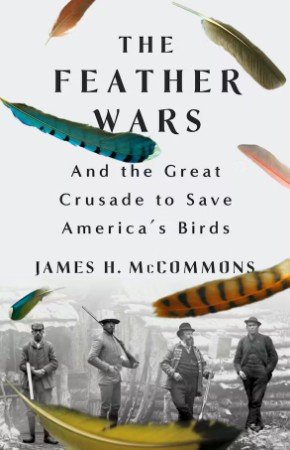
That is the principal theme explored by James H. McCommons in his “The Feather Wars and the Great Crusade to Save America’s Birds.” The extermination of the passenger pigeon was just one example of our collective avicides. The great auk and Labrador duck were gone by the 1870s as well, and many other species – long-billed curlews, red knots, and greater and lesser yellowlegs – were brought to the brink of extinction.
Hunters shot and killed birds with abandon. Farmers killed them to protect their crops. A lucrative trade for colorful feathers used in Victorian-era fashion spurned more wanton bird murder. And “oologists,” hobbyists who collected birds’ eggs, killed countless numbers of birds before they had even hatched.
McCommons recounts a lot of carnage. Eventually though, Americans took note of the fact that birds were not a limitless resource. When the passenger pigeon disappeared from the skies, a lot of people began to have second thoughts. Some unlikely alliances formed to protect birds, including hunter-in-chief, Teddy Roosevelt gun manufacturers, artists and nature writers and, perhaps above all, women.
Educated society ladies were among the first and most vocal activists for the birds. Harriet Lawrence Hemenway co-founded the Massachusetts Audubon Society; Mabel Osgood Wright (“the Bird Lady of Fairfield”) founded Connecticut Audubon and built the first private bird sanctuary; and Florence Merriam wrote several bird guidebooks and was elected the first female Fellow of the American Ornithologists' Union.
The ladies’ campaigns to raise awareness on birds were part of a broader awakening in America on the value – and fragility – of the natural world. “It was women,” McCommons writes, who “sparked what became the first nationwide environmental movement in America.”
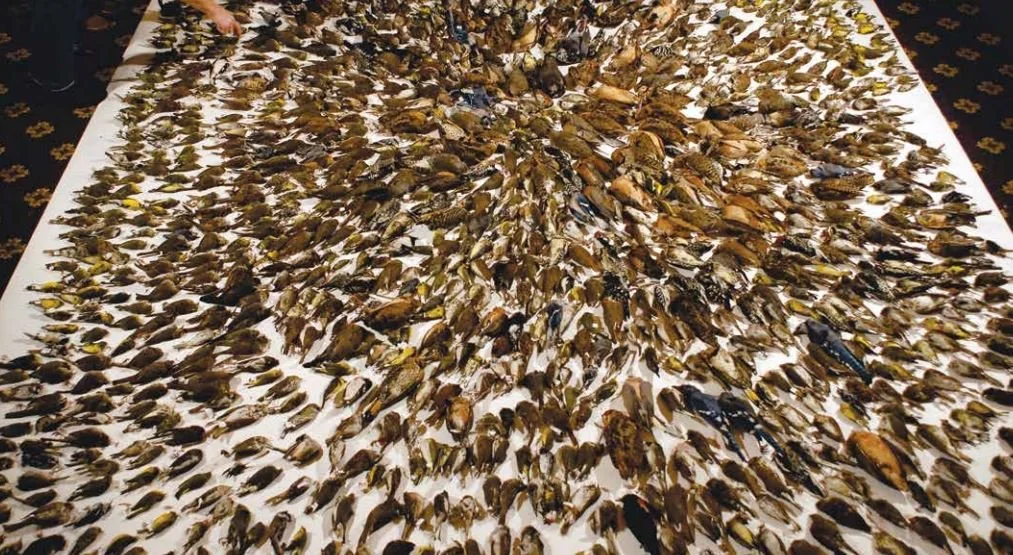
The great awakening did not end the human threat to birds of course. A billion or more birds die in collisions with our buildings every year, pesticides kill tens of millions more, and our urban and suburban developments continue to encroach on birds’ habitats. Don’t even get us started on cats.
“Something is not right, and the birds are telling us so,” McCommons concludes. “We need to listen and act because their decline has consequences for us all.”
“The Feather Wars” is published by St. Martin’s Press.
Photo credit: St. Martin's Press