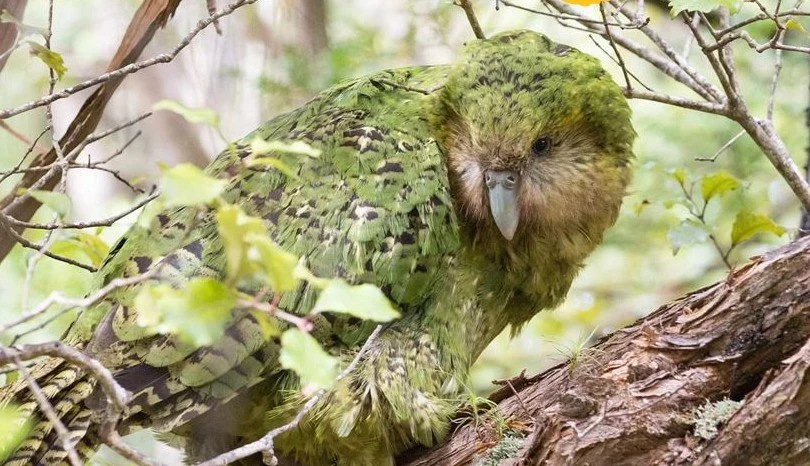
Boom Year for New Zealand’s Endangered Kākāpō
Conservationists in New Zealand have high hopes for this year’s kākāpō mating season. That’s partly because there’s been a bumper crop of this big bird’s food staple, the berrylike fruit of the rimu tree. The critically endangered species will spend the next few weeks getting busy, one hopes.
“It’s always exciting when the breeding season officially begins, but this year it feels especially long-awaited after such a big gap since the last season in 2022,” operation manager for Kākāpō Recovery Deidre Vercoe says in a Dept of Conservation news release. “Now it is underway, we expect more mating over the next month, and we are preparing for what might be the biggest breeding season since the program began 30 years ago.”
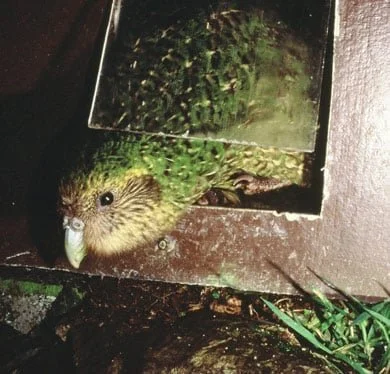
When rimu trees produce its fatty, nutrient‑rich fruit, female kākāpō gorge on it to prepare for breeding. Meanwhile the males congregate in a communal area called a lek, where they prance and call or “boom” their basso birdsong, courtship rituals to attract a mate. Kkākāpō are the only lek-breeding parrot species.
There are only 236 kākāpō alive today (including 83 breeding-age females), – we know because each one is wearing a small radio transmitter to track their location and monitor activity levels. They live on three isolated islands, which are carefully tended to remove predators. The Department of Conservation’s plan is to eventually return them to their former range throughout New Zealand “so that one day,” says Vercoe, “hearing a kākāpō boom might be a normal part of naturing.”
The DOC’s Kākāpō Recovery Programme has been in place since 1995, when there were only 51 specimens alive (31 males, 20 females). This year marks the 13th breeding season since then; the kākāpō breed only when the rimu trees produce fruit, which occurs every two to four years.
These big birds are the world’s heaviest parrots, weighing up to eight pounds. They can live for as long as 90 years despite being flightless and nearly blind – which is probably why the species needs so much help to cling to survival.
The first chicks are expected to start hatching from mid-February. By then we’ll know if this season is boom or bust.
Photo credit: New Zealand Department of Conservation