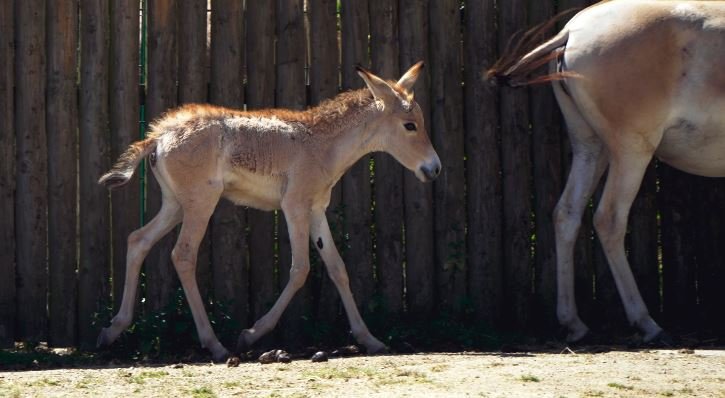
The Cheshire zoo has announced the birth of an onager, or Asiatic wild ass, the world’s rarest equid. The foal, a male named Jasper, was born to Azita following a year-long pregnancy. Mother and son are healthy and thriving.

Welcome to my blog.
All in Conservation
The Cheshire zoo has announced the birth of an onager, or Asiatic wild ass, the world’s rarest equid. The foal, a male named Jasper, was born to Azita following a year-long pregnancy. Mother and son are healthy and thriving.
A team of scientists led by Mary Hagedorn, a research scientist at the Smithsonian’s National Zoo & Conservation Biology Institute, have proposed an extreme idea to save endangered species: by storing them frozen on the moon. The proposal appears in the journal BioScience.
Almost all of the giant pandas on loan from China have been returned to their homeland as the loan agreements expire, with the last US facility, Zoo Atlanta, scheduled to return their gentle giants by year’s end. But this week the San Diego Zoo has announced it will soon welcome a new pair of pandas, Yun Chuan and Xin Bao.
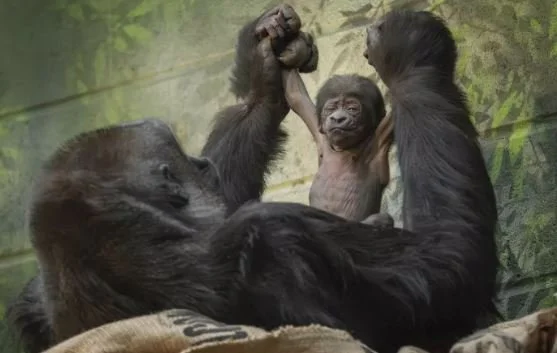
The zookeepers at London Zoo are gushing like new parents, because in a way they are. “To say we’re happy about this new arrival would be a huge understatement,” says primate section manager Kathryn Sanders. “We’ve all been walking around grinning from ear to ear.”
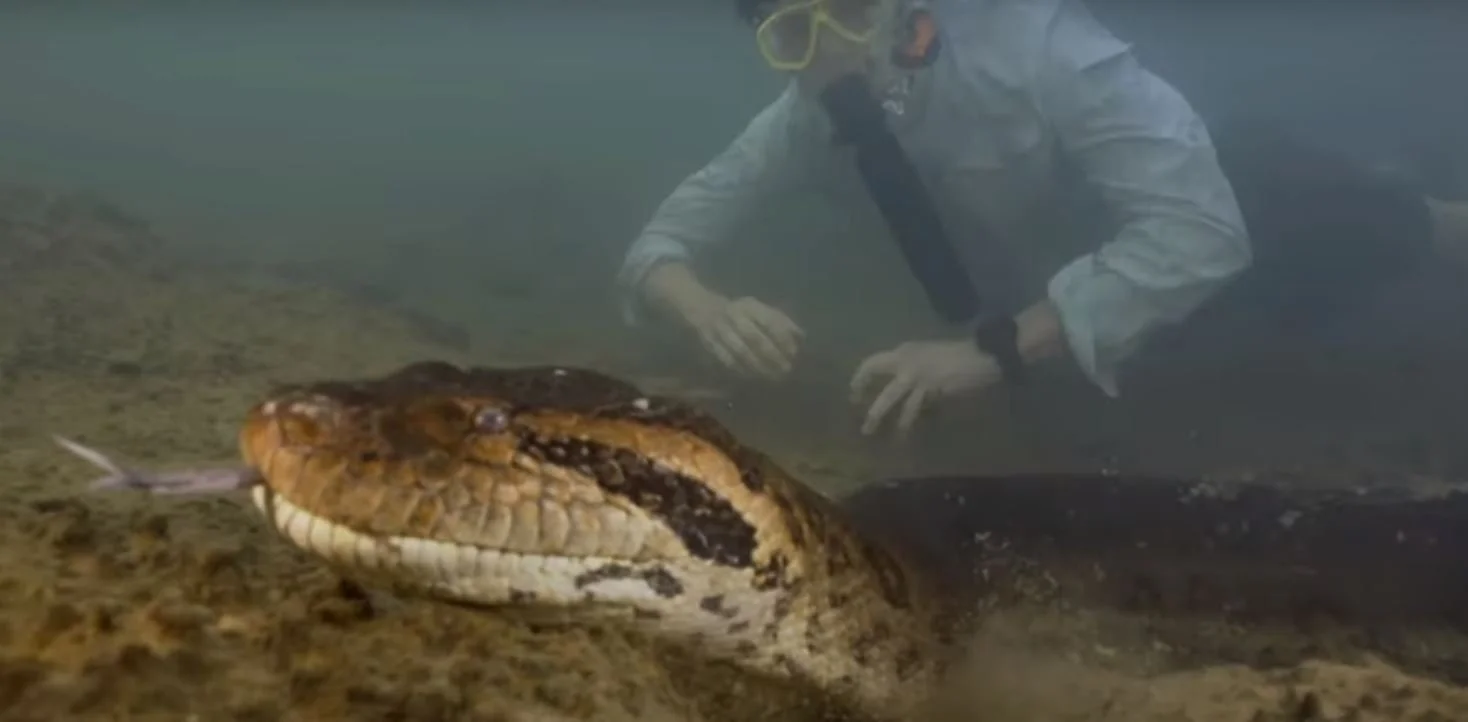
A team of scientists – and a couple of lucky television crews – have “discovered” what is being characterized as the world’s largest snake, a giant anaconda. The team, led by biologist Bryan Fry of the University of Queensland, captured and studied several specimens of the northern green anaconda (Eunectes akayima), located in the Ecuadorian Amazon.
Something funny is going on with our closest relatives – chimpanzees, bonobos, orangutans, and gorillas. Like humans, our cousins seem to revel in comedy – slapstick mainly, but comedy nonetheless. The Max Planck Institute of Animal Behavior is looking into the fun.
No one had seen the extremely rare Attenborough’s long-beaked echidna since 1961, so it was assumed that the weird, egg-laying mammal was extinct. Earlier this month the beast that looks like a spiny anteater was rediscovered in Indonesia’s Cyclops Mountains, likely the only place on Earth the creature exists.
Every year the London Zoo takes on the Herculean task of weighing every one of its 14,000 residents. The zookeepers look like they’re having a blast.
Brights Zoo in East Tennessee has announced the birth of a spotless giraffe, the only one of its kind in the world. Now a month and a half old, the baby girl is six feet tall, healthy, and a very fetching tawny brown.
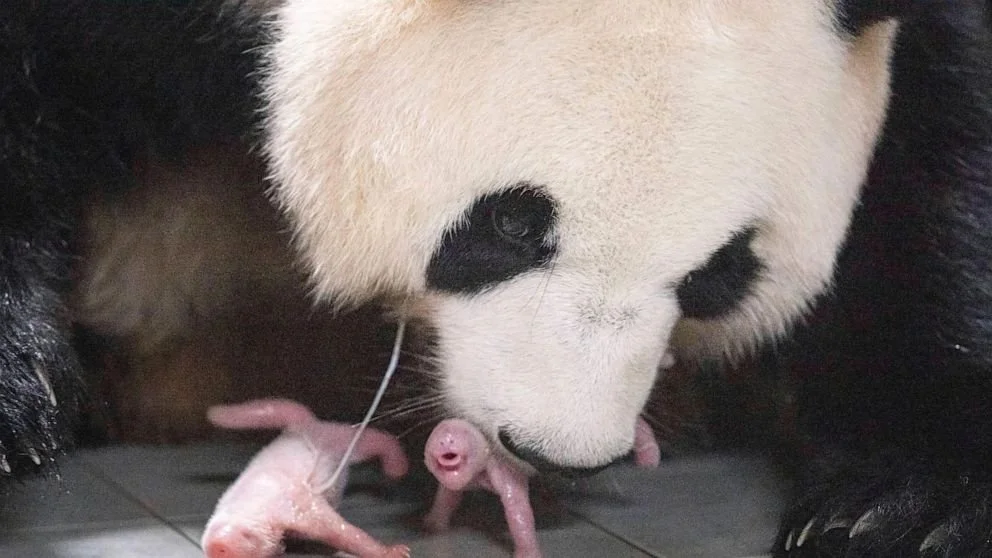
The panda population in South Korea just went up by two, as beloved mom Ai Bao gives birth to twin girls. Officials at the Everland theme park near Seoul said mother and babes are in good health.
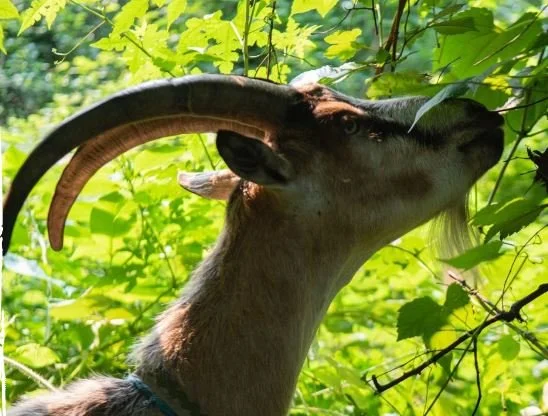
This week the goats returned to Riverside Park on Manhattan’s Upper West Side. Charlie, Chico, Cowgirl, and Mallomar launched their summer’s groundskeeping job with a “ribbon chewing” ceremony to open the park’s new compost site, to which the four will be contributing over the next two months.
A new species of gliding gecko has been uncovered in northern India. The Mizoram parachute gecko (Gekko mizoramensis), named after the Indian state where it was found, is one of 14 gecko species known to glide between the treetops.
In Los Angeles, a robust population of an invasive species – the red-crowned parrot – is thriving. For once, the aliens are not a threat to native species; in fact, the LA parrots might end up saving their cousins in the wild, where these birds are threatened.
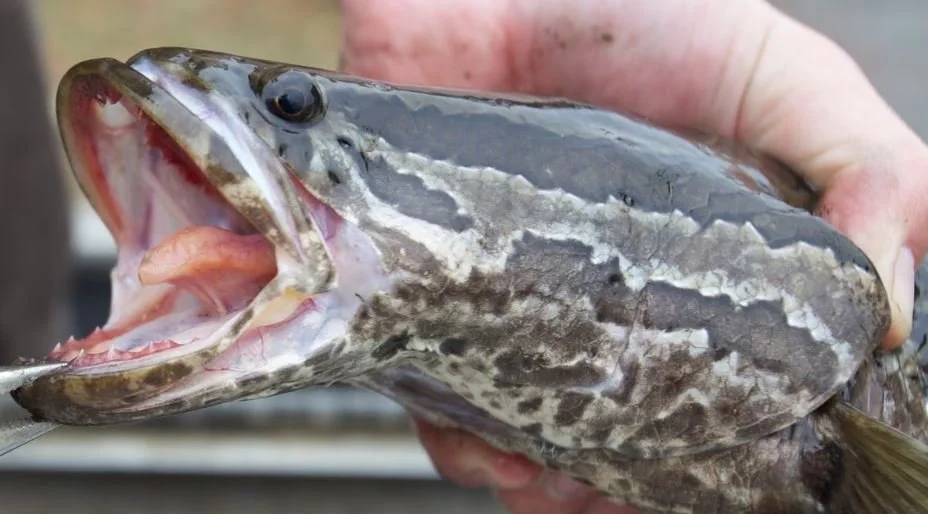
The northern snakehead, an invasive fish from Asia that has been eating its way through the Eastern Seaboard since it first appeared in Maryland two decades ago, was spotted for the first time in Louisiana this week.
The Great Plains Zoo in Sioux Falls, South Dakota has announced that their red-wolf pair, brought together only last October, have whelped a litter – four boys and two girls.
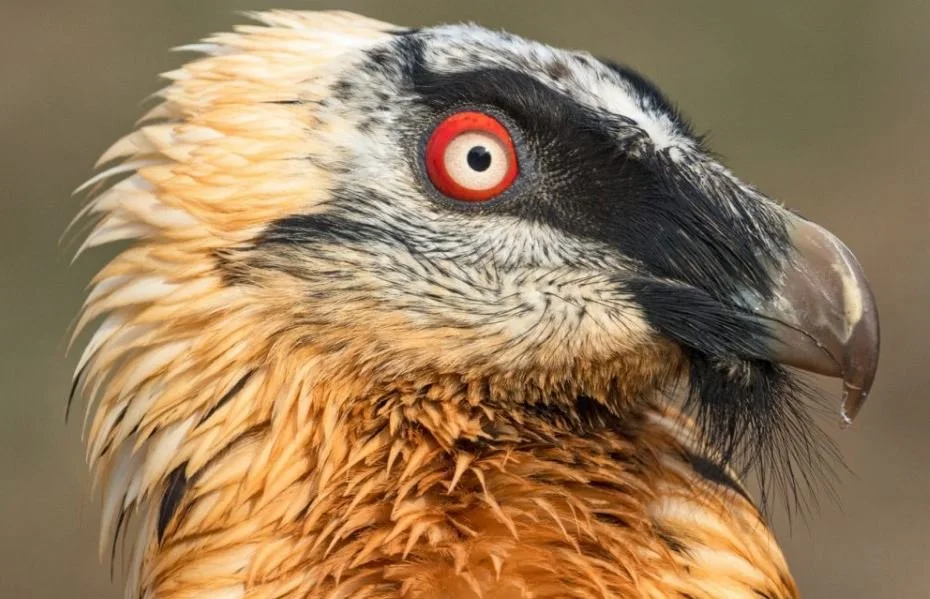
The decades-long endeavor to save the bearded vulture population in eastern Spain has hit a speedbump: the planned construction of a large wind farm. The Foundation for the Conservation of Bearded Vultures has put its project on pause while it assesses the impacts of the proposed farm.
Molecular biologists have discovered that thousands of air-quality monitoring stations around the world have been recording more than just air pollution and dust, they are also collecting biodiversity data. Their findings are published in Current Biology.
Last month a popular stretch of a Waikiki beach was closed to visitors while a newborn monk seal was nursing. The pup has now weaned, so authorities relocated the six-week-old pup and mom to a more secluded spot.
The Smithsonian’s National Zoo in Washington, D.C. has announced the arrival of three meerkat pups, born to parents Sadie and Frankie.