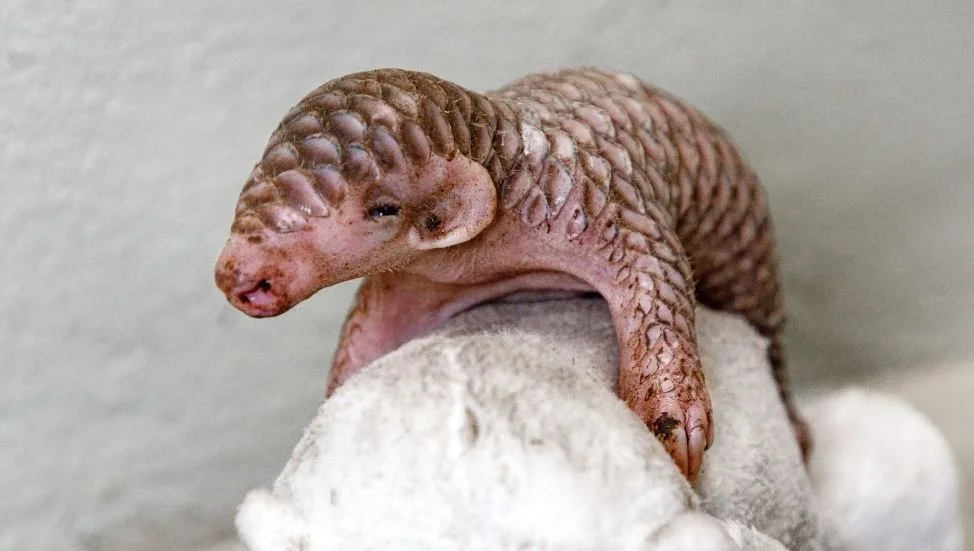
The Prague Zoo has announced the arrival of a brand new Chinese pangolin (Manis pentadactyla), the first birth of the critically endangered species in captivity in Europe. The newborn had a rough start but is doing well, according to the zoo.

Welcome to my blog.
All in Conservation
The Prague Zoo has announced the arrival of a brand new Chinese pangolin (Manis pentadactyla), the first birth of the critically endangered species in captivity in Europe. The newborn had a rough start but is doing well, according to the zoo.
Herds of wild pigs – dubbed “super pigs” for their size, intelligence, and hardiness – have been spotted within 10 miles of the US border and North Dakota. Invasive pigs have had a foothold in Canada since the 1980s, when farmers began breeding domestic pigs with wild boars imported from Europe. But there wasn’t much of a demand for the new breed of Canadian bacon and the Frankenpigs were turned loose.
Good news for the wood stork. The US Fish and Wildlife Service has proposed to remove the big bird from the federal list of endangered and threatened species. Forty years ago the wood stork population was down to fewer than 5000 nesting pairs, most of them in south Florida’s Everglades and Big Cypress ecosystems. Today there are twice that number, and the birds have spread to the coastal plains of Mississippi, Alabama, Florida, Georgia, South Carolina, and North Carolina.
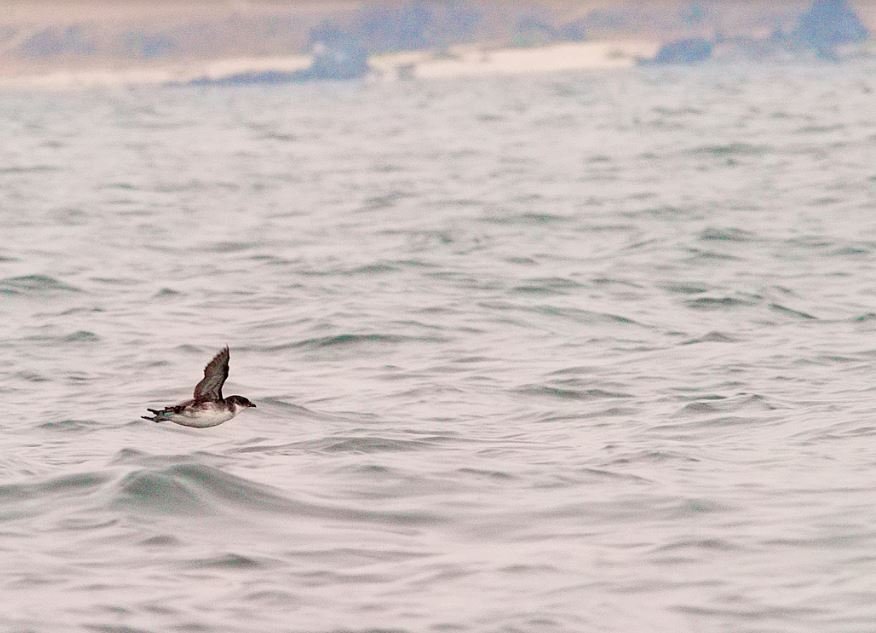
For the first time in over 40 years a Peruvian Diving-petrel chick has hatched on Chile’s Chañaral Island. The rare seabird once thrived here but was pushed out by invasive species. Now a concerted effort by environmental groups and the Chilean government to make the island habitable again have paid off.
Hunting whales for meat has been losing its mojo in Japan for years, but a Japanese whaling firm is looking to revive the industry. Last month Kyodo Senpaku introduced three whale-meat vending machines in Yokohama aimed at re-whetting the nation’s appetite.
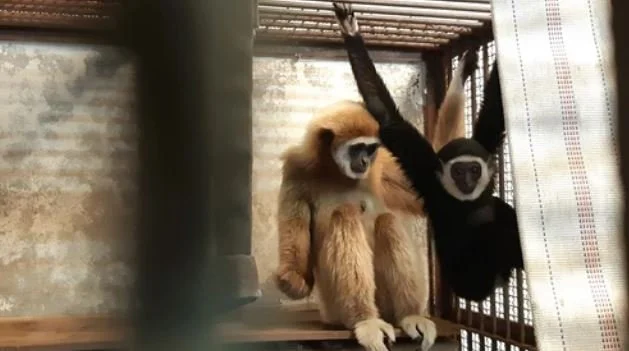
Zookeepers at Kujukushima Zoo and Botanical Garden in Nagasaki Prefecture have solved a two-year-old mystery: How did a female lar gibbon get pregnant while living in her own enclosure without a male present?
Rice's whale, found only in the Gulf of Mexico and described in 2021, is already critically endangered. Marine biologists are wondering what can be done to save the whales, if anything.
A new study tracks the movements of Australia’s endangered northern quoll, a small carnivorous marsupial. Researchers found that the males are losing so much sleep looking for mates that it’s killing them.
There are 66 known emperor penguin colonies in Antarctica. The most recently discovered group, about 1000 adults with chicks on the West Antarctic coast, gave away their position to satellite cameras — with their guano.
Japan’s endangered Amami rabbit has entered into a strange relationship with a parasitic plant called Balanophora yuwanensis. Researchers at Kobe University recently documented the symbiosis between these odd bedfellows.
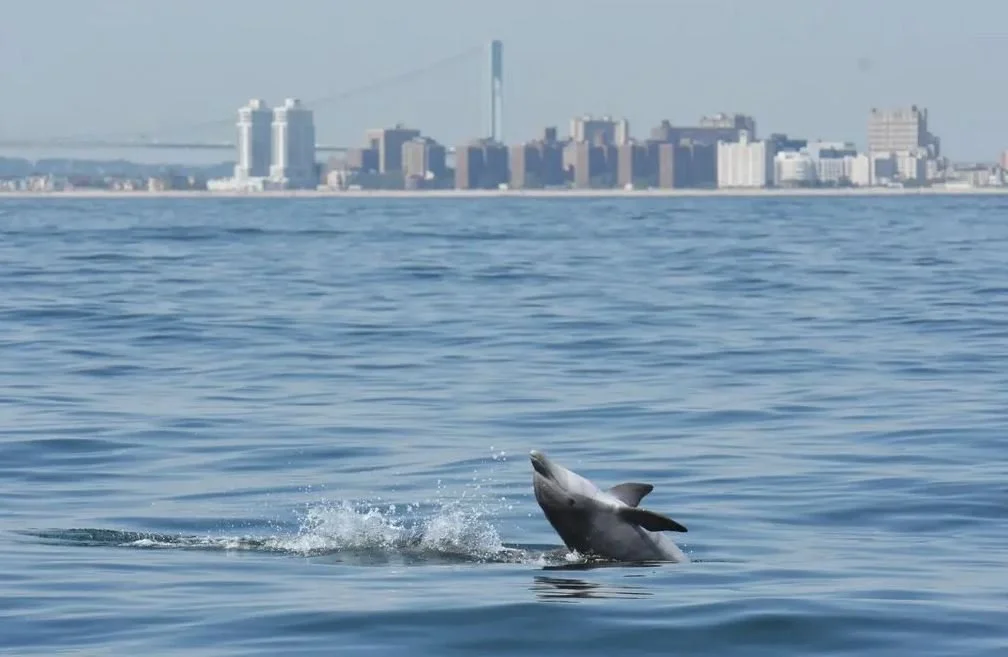
New Yorkers were thrilled this week when a couple of dolphins swam up the Bronx River and were seen cavorting as far north as Starlight Park. “This is great news,” gushed NYC Parks on Twitter. “It shows that the decades-long effort to restore the river as a healthy habitat is working. We believe these dolphins naturally found their way to the river in search of fish.”
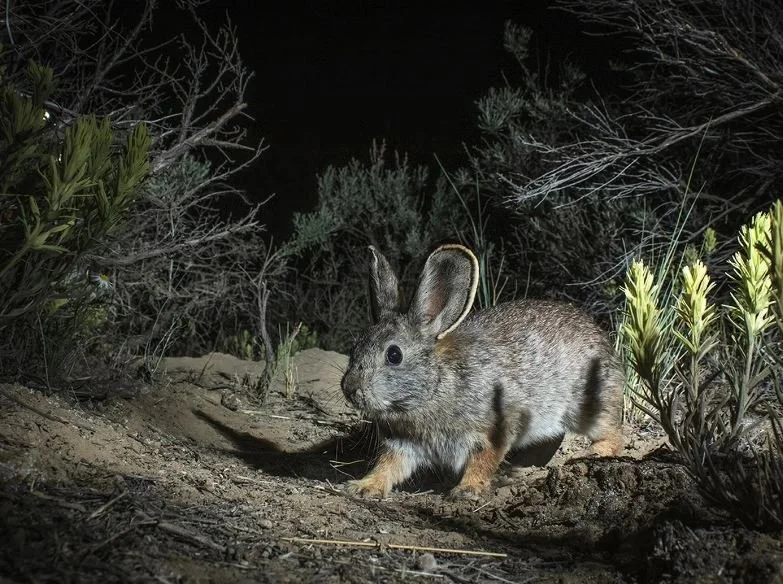
The smallest, and probably the rarest, rabbit in the world is on its last legs in the Pacific Northwest. The Columbia Basin pygmy rabbit thrived for thousands of years in the sagebrush steppe of what is now central Washington, but massive habitat loss has pushed the species to the brink of extinction.
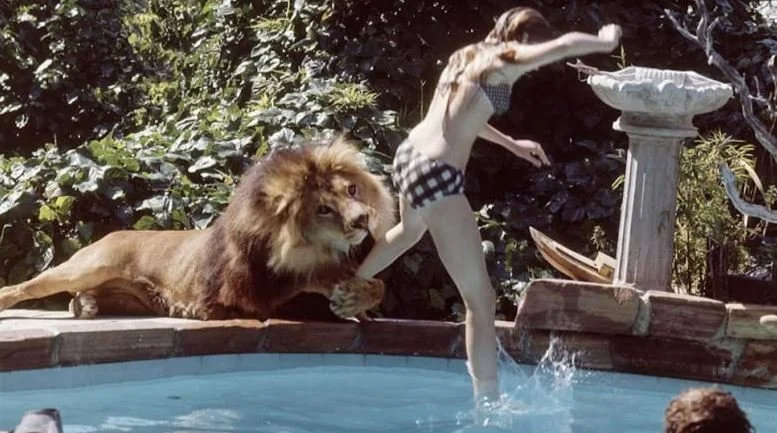
It turns out The Birds was not Tippi Hedren’s worst animal encounter in a movie. That would be Roar, a film that involved close contact with more than 150 untrained lions, tigers, leopards, and cheetahs. It has entered Hollywood lore as the most dangerous movie ever made.
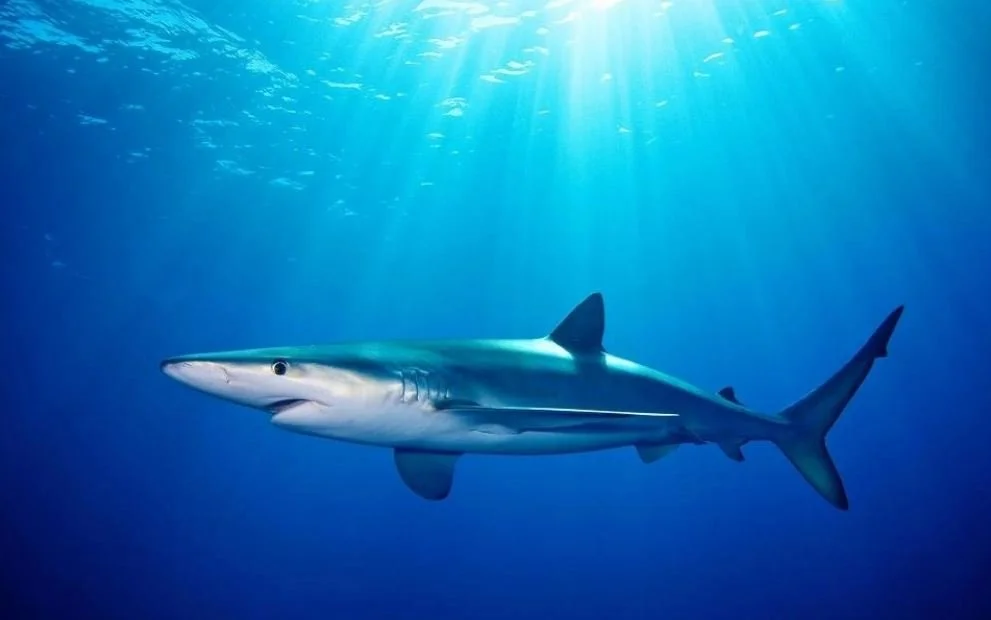
Some good news for sharks: The US has banned the odious shark-fin trade, a move conservationists hope will help protect millions of sharks butchered every year. The Shark Fin Sales Elimination Act, introduced in 2021, is now law, making it illegal to possess, buy, sell, or transport shark fins or any product containing shark fins. Violators (who are truly vile) face up to $100,000 in fines.
“When you realize the value of all life, you dwell less on what is past and concentrate more on the preservation of the future.” The last entry in Dian Fossey’s diary is poignant enough without its proximity to the primatologist’s brutal murder in 1985. Fossey was killed in her cabin in the Virunga Mountains of Rwanda, where she had observed and lived among the silverback gorillas for decades. The killer was never satisfactorily identified – poachers? gold-smugglers? Fossey’s own assistant? – but let’s “dwell less on what is past” and remember her life this week, when she would have turned 91.
The critically endangered western chimpanzee (Pan troglodytes verus) gained a new member recently when a baby boy was born at Chester Zoo. The new arrival is far from his natural habitat – Côte d'Ivoire, Ghana, and environs – but he is already at home in the zoological gardens just south of Liverpool.
On the last day of 2022 a black rhino entered the world, a good thing since there are only about 740 of the critically endangered species remaining in the wild. This one will live in a tamer environment, the Kansas City Zoo.
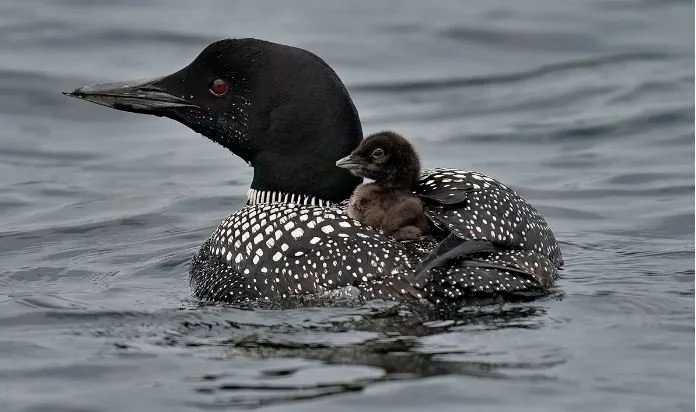
Perhaps you’ve never seen a common loon, but you’ve definitely heard one. The water fowl’s plaintive call is a go-to sound effect in film – heard in such movies as 1917, Godzilla, Platoon, and countless others – to the annoyance of birders, who know the loon’s range is more limited than Hollywood would have us believe.
It’s a girl. The Metro Richmond Zoo in Moseley, Virginia received a delightful early Christmas present this year: 16 pounds of pygmy hippopotamus. That’s what she weighed at her first neonatal exam, three days after she came into the world on December 6, to Iris and Corwin. The zoo issued the birth announcement on the 22nd and has yet to name the baby girl.
Researchers have observed that the female southern pied babbler, a small black-and-white bird found across the southern African savannah, gets less smart as it ages, a correlation tied to the number of chicks she has over the years.