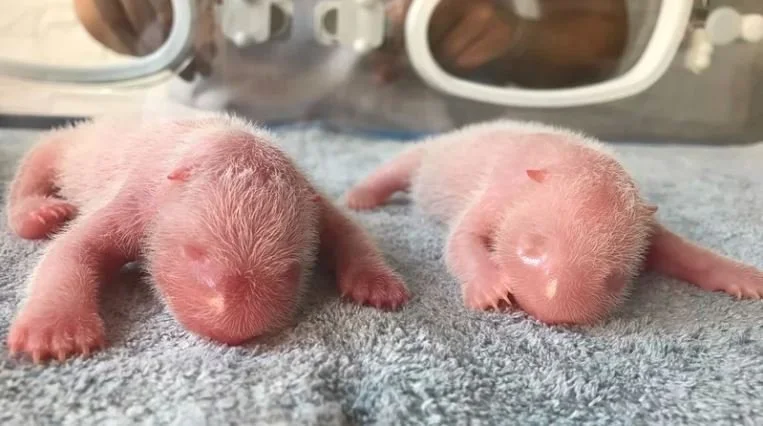
A pair of giant pandas were born this week at the Qinling Panda Research Center in Shaanxi province, southwestern China. The male and female twins are reportedly healthy and definitely adorable.

Welcome to my blog.
All in Conservation
A pair of giant pandas were born this week at the Qinling Panda Research Center in Shaanxi province, southwestern China. The male and female twins are reportedly healthy and definitely adorable.
Why are killer whales attacking sailboats off the European coastline? Scientists pondering this question have no answer, but they do have some wacky theories. This week NPR reported the harrowing tale of a sailing trip off the French coast, in which a father-daughter crew was surrounded and hounded by an unknown number of orcas, ramming their 37-foot boat for a solid 15 minutes.
Scientists from Oregon State University have a (really) big idea. What if we dedicated nearly half a million square kilometers across 11 states to gray wolves and North American beavers? In a paper published in the journal BioScience, the researchers outline a plan to use portions of federal lands to create a contiguous network of wolf and beaver habitats. The plan is about two species, but the knock-on effects would positively affect perhaps hundreds of others.
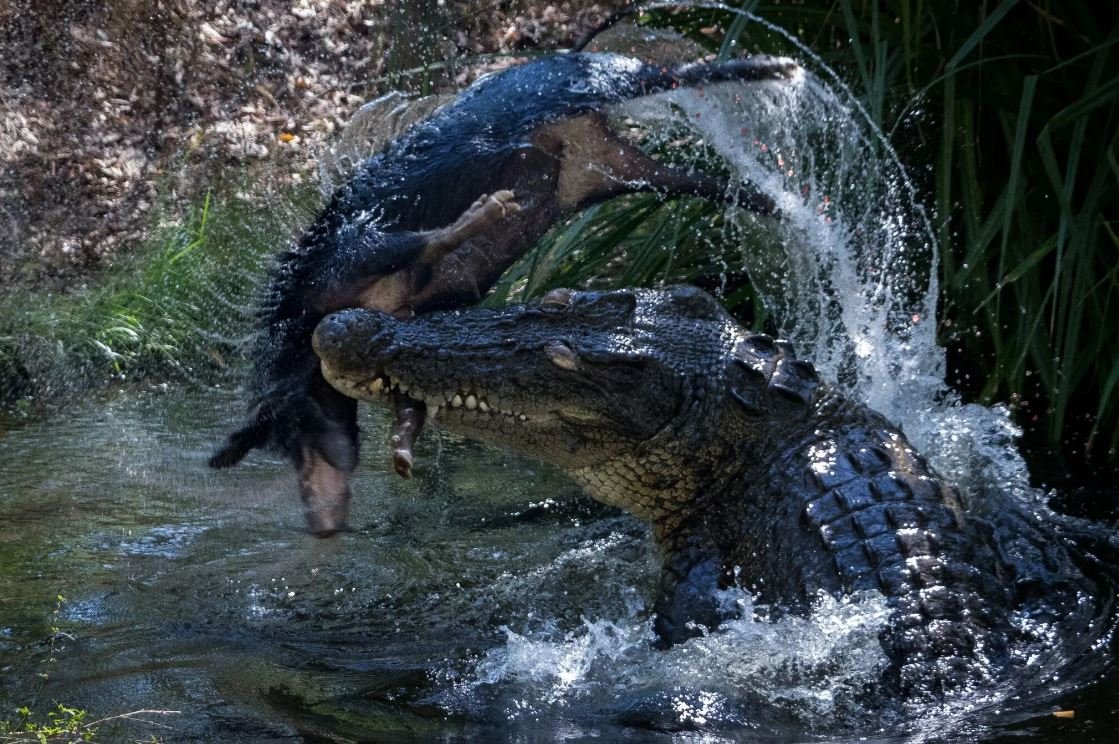
Australia is rife with invasive species like the feral pig, introduced by European settlers in the late 18th century, now spread across 40 percent of the country and numbering in the tens of millions. Invasives get a foothold because there are few natural predators in their new homes, but in Australia the pigs have at least one enemy: the saltwater crocodile.
Birds everywhere are swimming, nesting, and living in human garbage, most of it plastic. Crowd-sourced photos from all over the world in a project called Birds & Debris are documenting the mess.
Nearly all turtles born on Florida beaches over the past four years have been females. Climate change is to blame, as increasingly warming sand where turtle eggs incubate have churned out a 99% female-to-male ratio over that time.
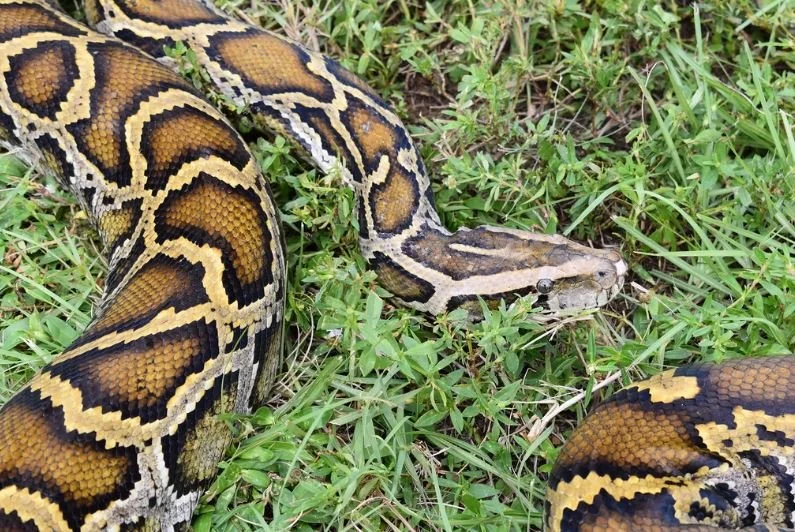
We don’t often cheer on organized animal slaughter, but what’s not to like about the Florida Python Challenge? For ten days (August 5-14), snake hunters will be allowed to stomp around the Everglades to capture and kill invasive Burmese pythons, which have infested the massive wetlands.
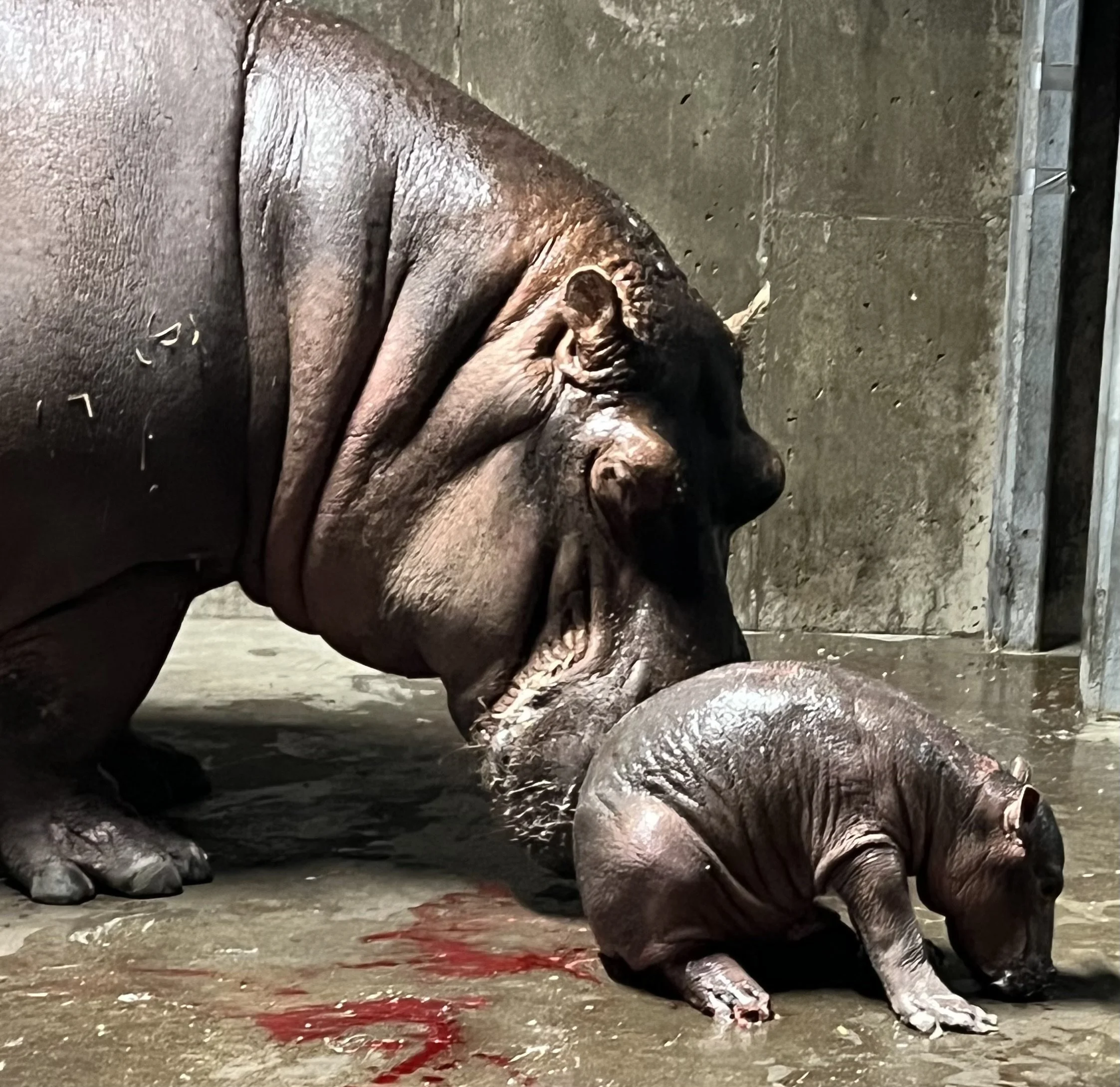
Hippopotamus amphibius is a semi-aquatic creature and one of the world’s heaviest land animals, weighing up to 4,000 pounds. There are between 115,000-130,000 stomping around 38 African countries, from Angola to Zimbabwe, but hippo populations in more than half of these countries are either in decline or unknown.
Conservationists in England have released three European bison into West Blean and Thornden Woods, a nature reserve near Canterbury. The Kent Wildlife Trust and Wildwood Trust hope to bring some ecological balance to some 500 acres of woodland.
The iconic migratory monarch butterfly is now, officially, “endangered,” according to the IUCN, which this week entered Danaus plexippus plexippus into its Red List of Threatened Species. The colorful flyer, known for its annual 2500-mile migration across the Americas, is being pushed to the brink of extinction by the twin forces of habitat loss and climate change.
One of the most pernicious invasive species in North America is the European green crab. The small crustacean hitched a ride in the ballast of merchant ships in the 19th century and, with few natural predators on this side of the pond, have been outcompeting local species for food and habitat ever since.
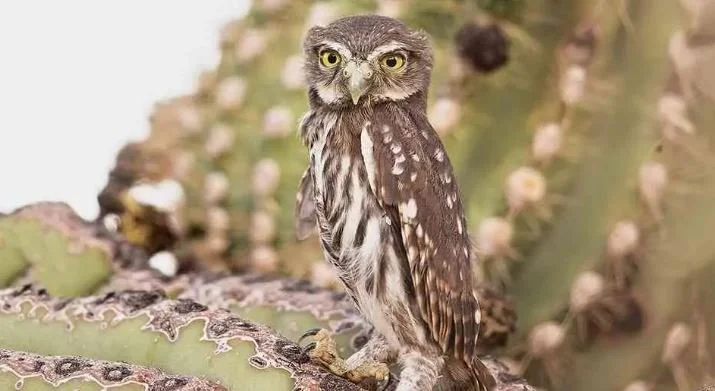
The odds are stacked against the tiny raptor known as the cactus ferruginous pygmy-owl (Glaucidium brasilianum). The owl’s range in the US – in isolated chunks of the southernmost parts of Arizona and Texas – is under siege by development, invasive species, wildfires, and of course climate change.
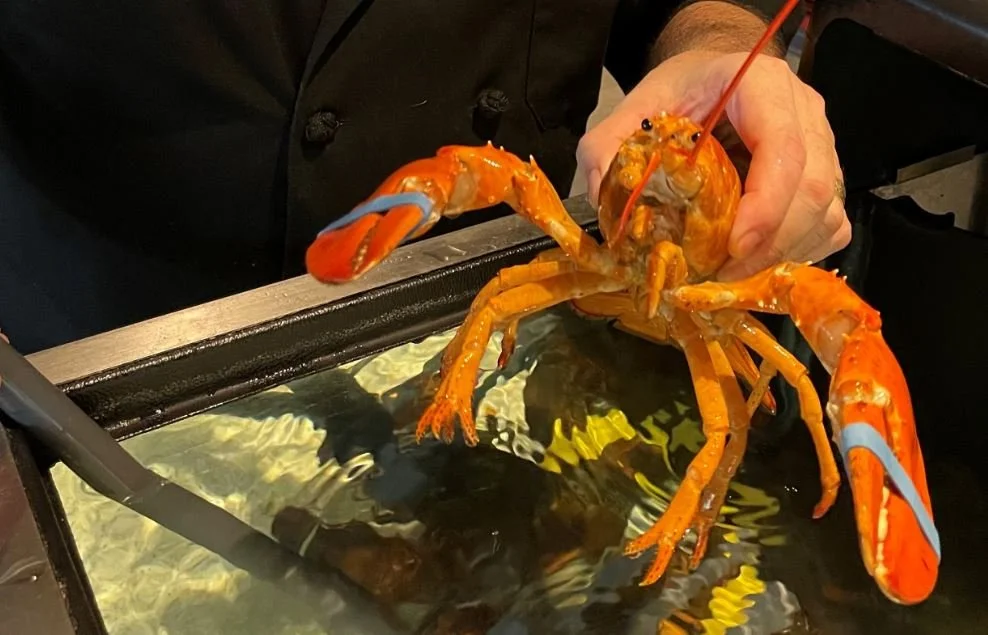
It pays to be different. Employees at a Hollywood, Florida Red Lobster restaurant noticed there was something off about one lobster that came in for dinner, because it wasn’t in fact red. The rare bright-orange lobster was too strange to boil alive and eat, so the staff called Ripley’s Aquarium of Myrtle Beach to rescue the flashy crustacean.
Today we remember Henry David Thoreau, America’s original environmentalist. Born on July 12, 1817, Thoreau came of age in the thick of the Industrial Revolution, as machines transformed the lives of humans – for good or ill.
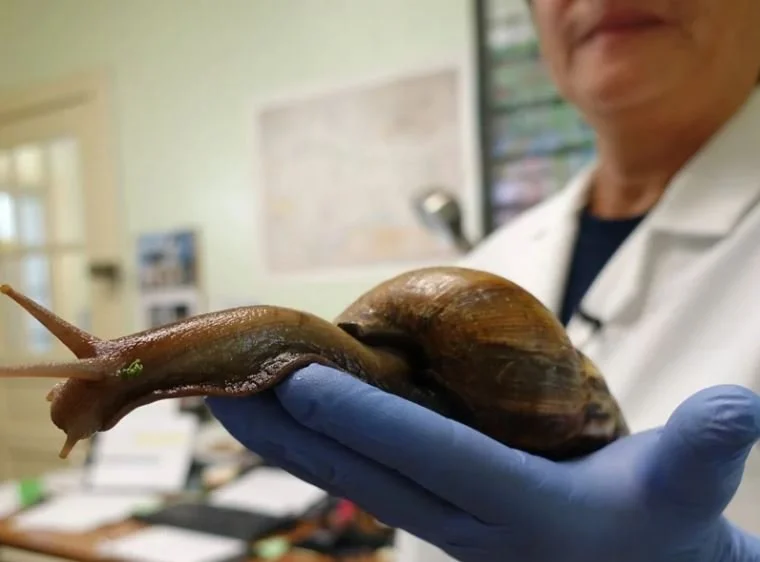
A giant African land snail has been spotted in the New Port Richey area of Pasco County in Florida. The snail (Lissachatina fulica) will feed on more than 500 types of plants but nothing will feed on it, nothing in Florida anyway. The invader was first spotted here in 1969 and has since been “eradicated” twice – in 1975 and again last year – but life finds a way.
Paleontologists have discovered the oldest known belly button. Using high-tech imaging to examine the remains of a bipedal horned dinosaur of the genus Psittacosaurus, the scientists noticed the thin trace of an umbilical scar in the 125-million-year-old fossilized skin.
Life is hard for a turtle in Rhode Island these days. "We see a lot of mortality in turtles this time of year and sadly, it's all female turtles carrying the next generation and now sadly we have a poaching crisis,” Lou Perrotti, director of conservation programs at Roger Williams Park Zoo, told NBC affiliate WJAR.
For more than a century we thought the “fantastic giant tortoise” (Chelonoidis phantasticus) of the Galápagos was extinct, but a 50-year-old female of the species has been found. She’s been named “Fernanda,” after the Fernandina Island in the western Galápagos Archipelago where she was living.
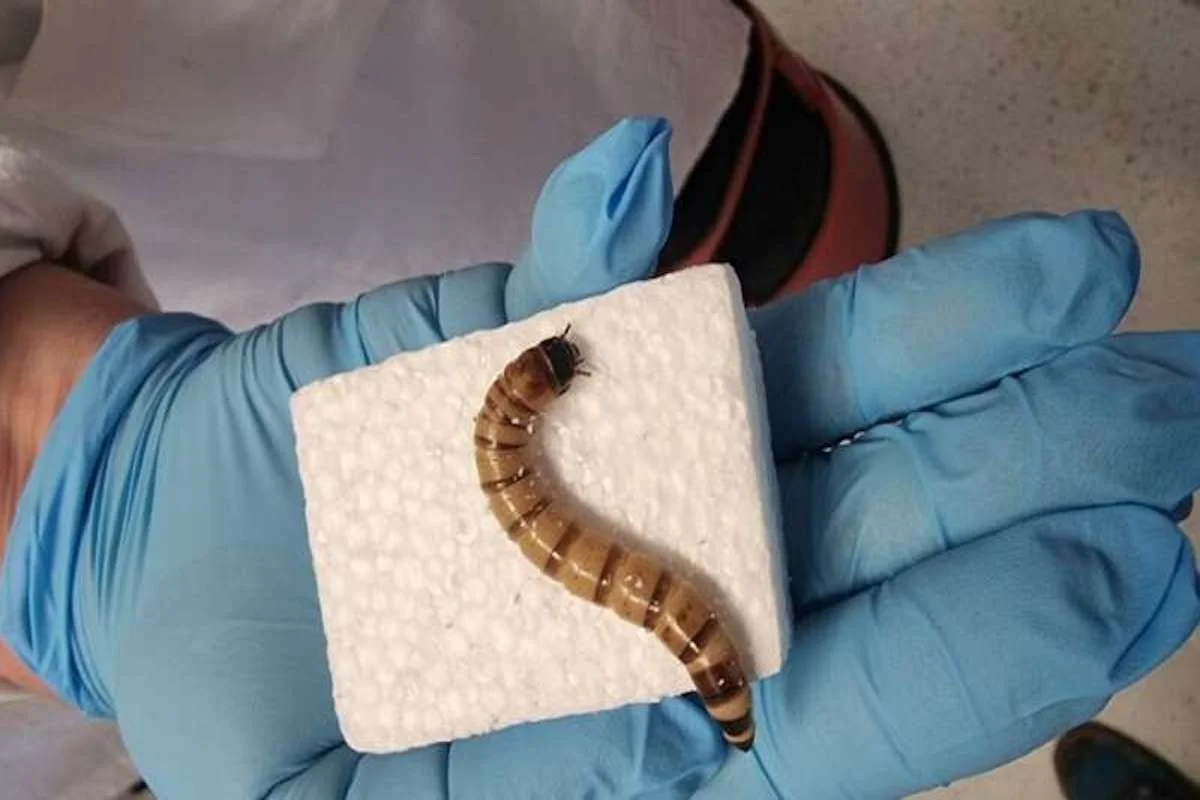
We’ve known for a few years that the larvae of certain beetle species can eat plastic, giving hope to the idea that the world’s waste problem might have a (quasi) natural solution. Now researchers in Australia believe they have identified the garbage-eating gut bacteria that makes this gastronomic feat possible. Their research appears in Microbial Genomics.
Zoo Miami is about to open its Sea Turtle Hospital, but it already has taken in a patient – a 50-year-old, 388 pound loggerhead turtle. On May 22, the zoo got a call from the Florida Fish and Wildlife Conservation Commission: a large female loggerhead was just rescued near the Port St. Lucie Power Plant. She had a severe wound on her left front flipper, probably from a shark attack.