There are 3500 humans living in Nahant, Massachusetts as well as about a dozen coyotes. The latter are terrorizing the former with such ferocity that the townspeople have asked the government to bring in guns.


Welcome to my blog.
All in Animal Welfare
There are 3500 humans living in Nahant, Massachusetts as well as about a dozen coyotes. The latter are terrorizing the former with such ferocity that the townspeople have asked the government to bring in guns.
When a cold snap brought freezing temperatures into Texas last week, Mary Warwick, the Houston Humane Society’s director of wildlife, drove over to the Waugh Drive Bridge to check on the resident bat colony. She found 138 cold-stunned bats under the bridge, victims of hypothermic shock.
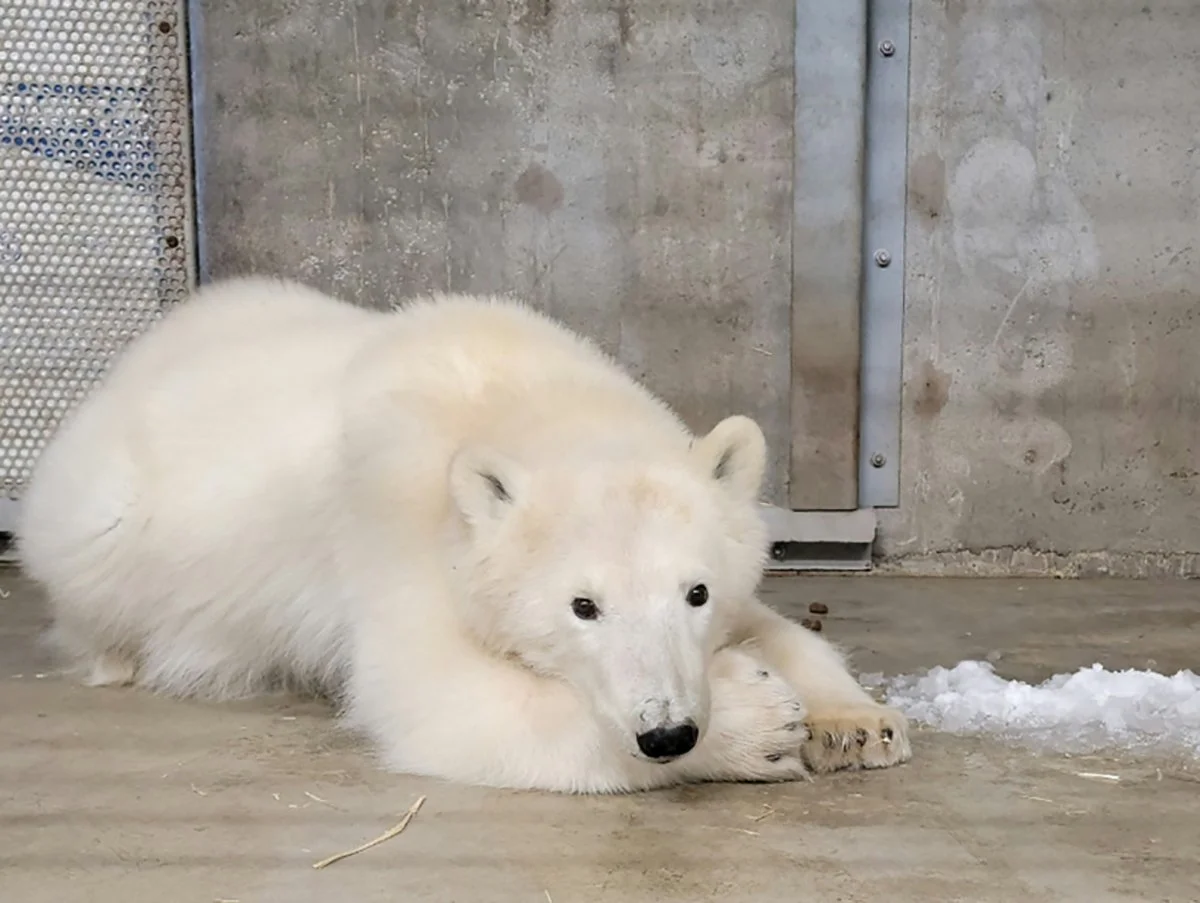
In November, a lone polar bear cub was spotted roaming around Prudhoe Bay, Alaska. The US Fish & Wildlife Service sent a team, with a vet from the Alaska Zoo, to check on the young male. They made the rare and difficult decision to capture the cub for his own good.
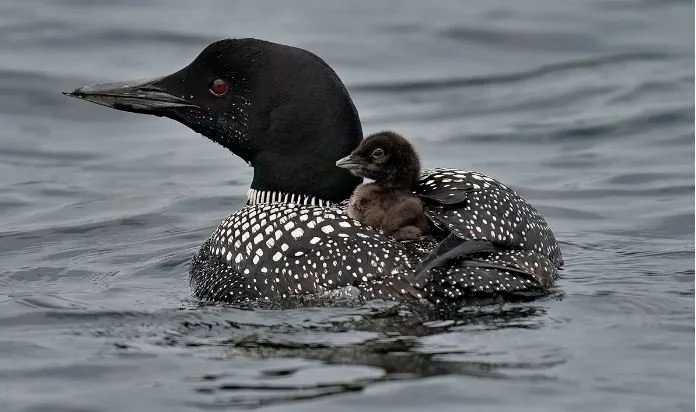
Perhaps you’ve never seen a common loon, but you’ve definitely heard one. The water fowl’s plaintive call is a go-to sound effect in film – heard in such movies as 1917, Godzilla, Platoon, and countless others – to the annoyance of birders, who know the loon’s range is more limited than Hollywood would have us believe.
Researchers have observed that the female southern pied babbler, a small black-and-white bird found across the southern African savannah, gets less smart as it ages, a correlation tied to the number of chicks she has over the years.
New York Governor Kathy Hochul has just signed legislation that will ban the sale of dogs, cats, and rabbits at retail pet shops throughout the state, a move intended to end the inhumane conditions rampant in the commercial breeder industry. The ban kicks in December 2024.
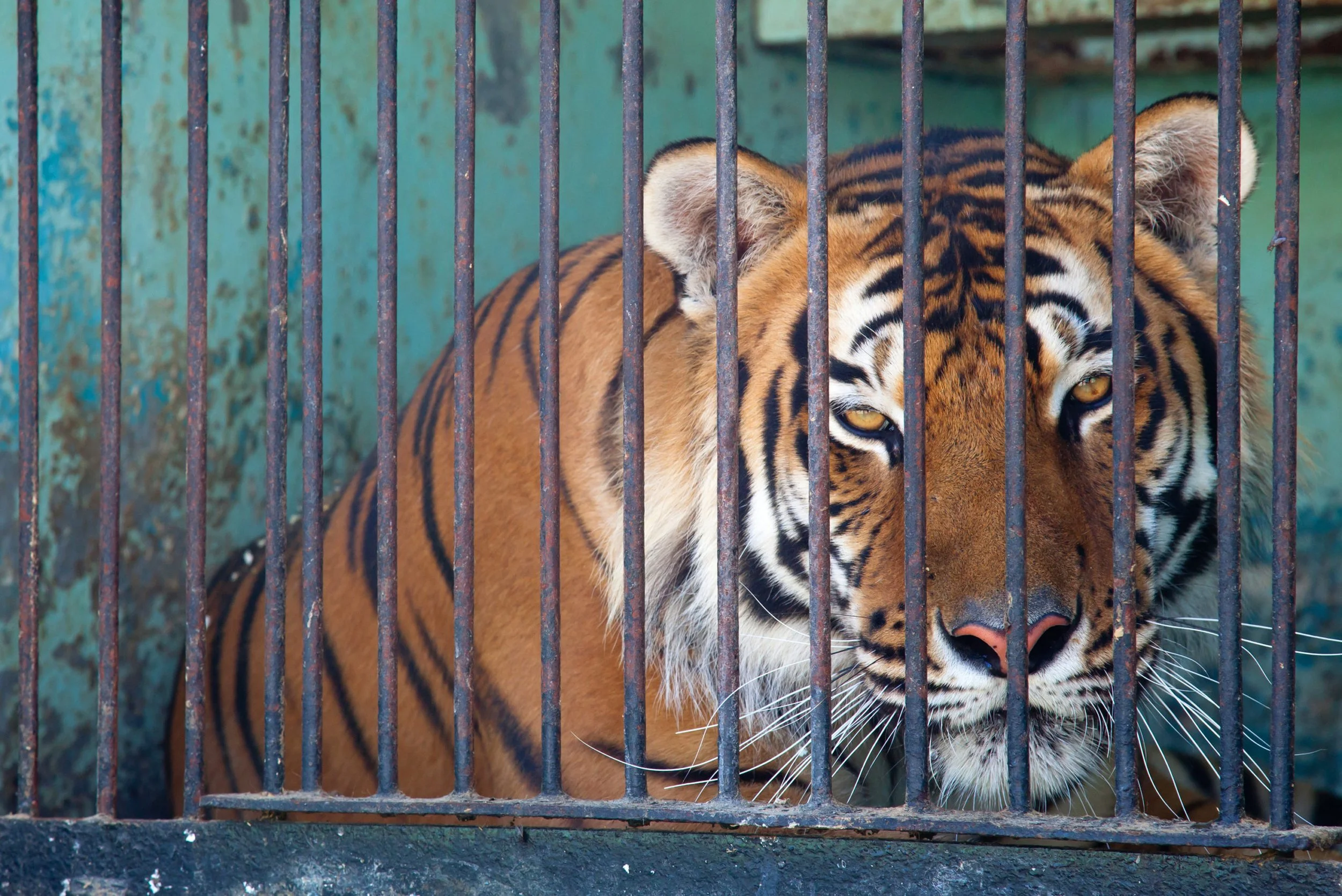
The US House passed the Big Cat Public Safety Act in July, and last week the Senate gave its blessing for the legislation via unanimous consent. Now the bill waits for Joe Biden to sign it into law before we are all old and gray.
Since 2018, Elon Musk's medical-device company Neuralink has killed about 1,500 animals – monkeys, pigs, and sheep – in its attempt to develop a brain-computer interface. Now the US Department of Agriculture is investigating the company for possible animal-welfare violations.
After more than two decades of incarceration in an Albanian restaurant, Mark the bear has been freed. The animal welfare group Four Paws negotiated the release of the last so-called “restaurant bear” in Albania, and he is now on his way to a bear sanctuary in Arbesbach, Austria.
For decades kids and their families have flocked to Griffith Park Pony Rides of Los Angeles without knowing they have engaged in animal torture. But the fun ends on December 21. Badgered by animal rights zealots, the city’s elders have ordered the park to shut – just in time for the holidays!
A lot of people in Utah are reporting wildlife sightings, especially of cougars that stray into town. The state’s Division of Wildlife Resources is getting so many calls that this week it asked everyone to relax: you needn’t report it every time you see a big cat.
Turkeys don’t stand a chance this time of year, but one flock of gobblers is taking back what’s theirs (America) starting with one New England town. The human inhabitants of Woburn, Massachusetts, population 41,000, have been under attack by an obnoxious group of five wild turkeys, a thuggish gang led by a tom named Kevin.
The situation is going from bad to worse for Florida’s shrinking manatee population: the gentle aquatic mammals are dying by the hundreds, mostly from starvation. A coalition of conservation groups are now petitioning the U.S. Fish and Wildlife Service to list the manatee as an endangered species, as it once was, with the hope of improving the creature’s habitat.
The king of England has banned foie gras from all royal residences. Not a surprising development since, as the Prince of Wales, Charles had kiboshed foie gras from his properties.
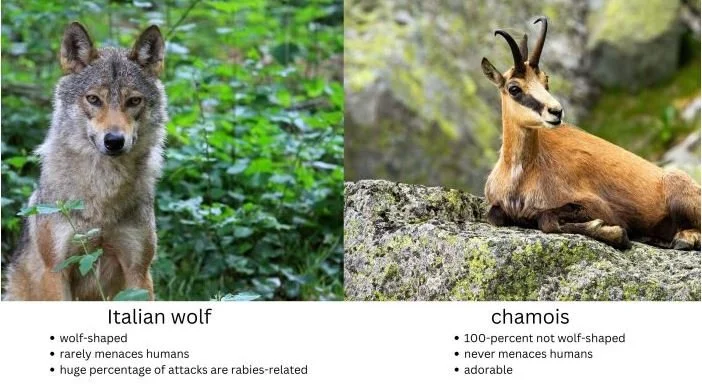
Italian media went a little bit berserk last week when two hikers in South Tyrol called for help. The 23-year-old women had encountered a pack of seven or eight creatures approaching them “threateningly” before moving away and watching them from a distance.
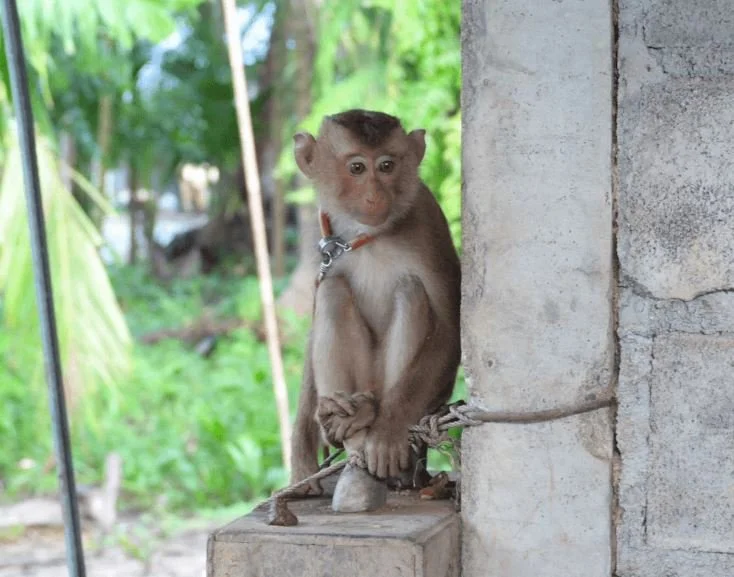
People for the Ethical Treatment of Animals claim that global food-delivery giant HelloFresh uses coconut milk obtained by monkey labor in Thailand. The animal-rights group this week posted its third report on Thailand’s coconut industry, “in which chained monkeys are forced to spend long hours climbing tall trees and picking heavy coconuts.”
Ornithorhynchus anatinus is one odd duck. With a tail like a beaver’s, webbed feet, nostrils that can clamp shut for underwater foraging, this egg-laying mammal seeks prey by detecting electrical fields using receptors on their bills. Having no nipples doesn’t stop them from nursing their young, which feed through pores in mama’s skin.
When neuroscientist Margaret Livingstone published “Triggers for a mother’s love,” in the Proceedings of the National Academy of Sciences in September, there wasn’t much of a reaction in scientific circles. Then social media began discussing the details of the study and a backlash began, leading to a damning letter to PNAS, co-signed by 250 scientists calling for retraction.
In the past couple of weeks, local news outlets across the US (to the extent they still exist) have published articles on dangerous chemicals polluting our waterways. That’s because the Waterkeeper Alliance just published an exhaustive report on “per- and polyfluoroalkyl substances,” more handily known as PFAS.
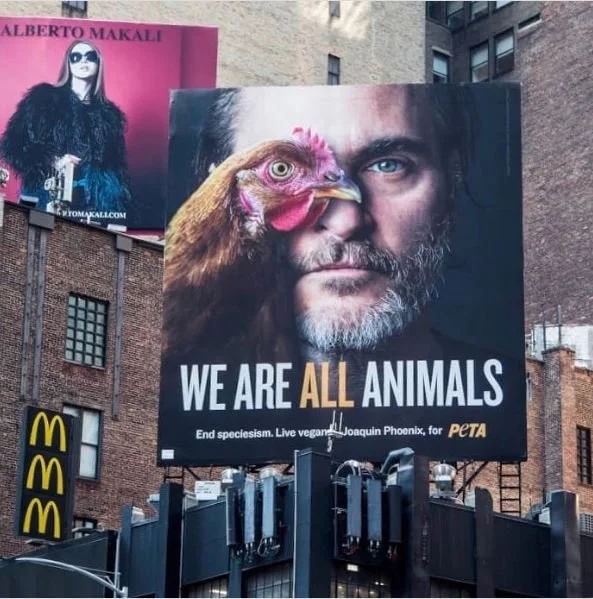
Joaquin Phoenix turns 48 on Friday (October 28), which means the Academy Award-winning actor has been an advocate for animal rights for a solid 45 years.