Precious Baby Terrapin Given Tender Care at National Zoo
This month the National Zoo in Washington announced the birth of a painted river terrapin, the first time this critically endangered species has been successfully bred at the zoo.
In fact the little guy is already five months old. The zookeepers had found it on August 26, still sporting its egg tooth, a tiny built‑in tool it used to crack out of the shell, meaning it was only a day or two old when they found it.
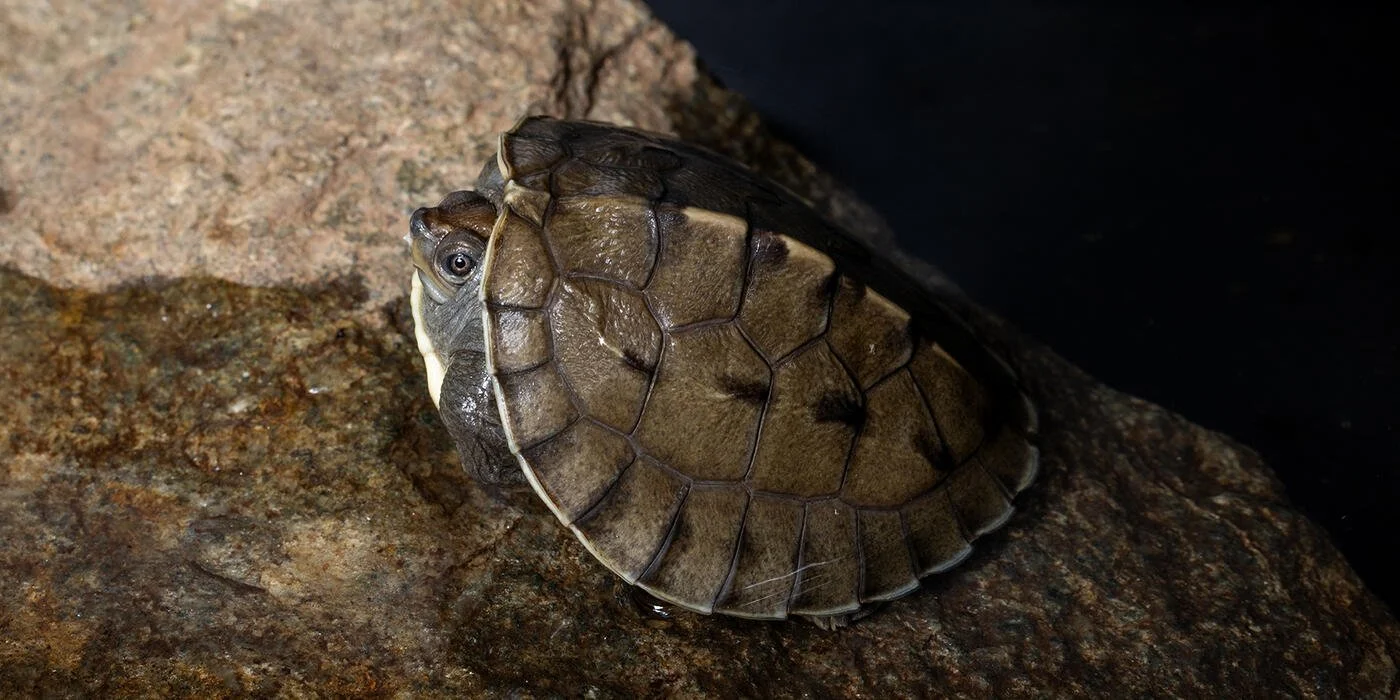
Photo credit: Roshan Patel / Smithsonian
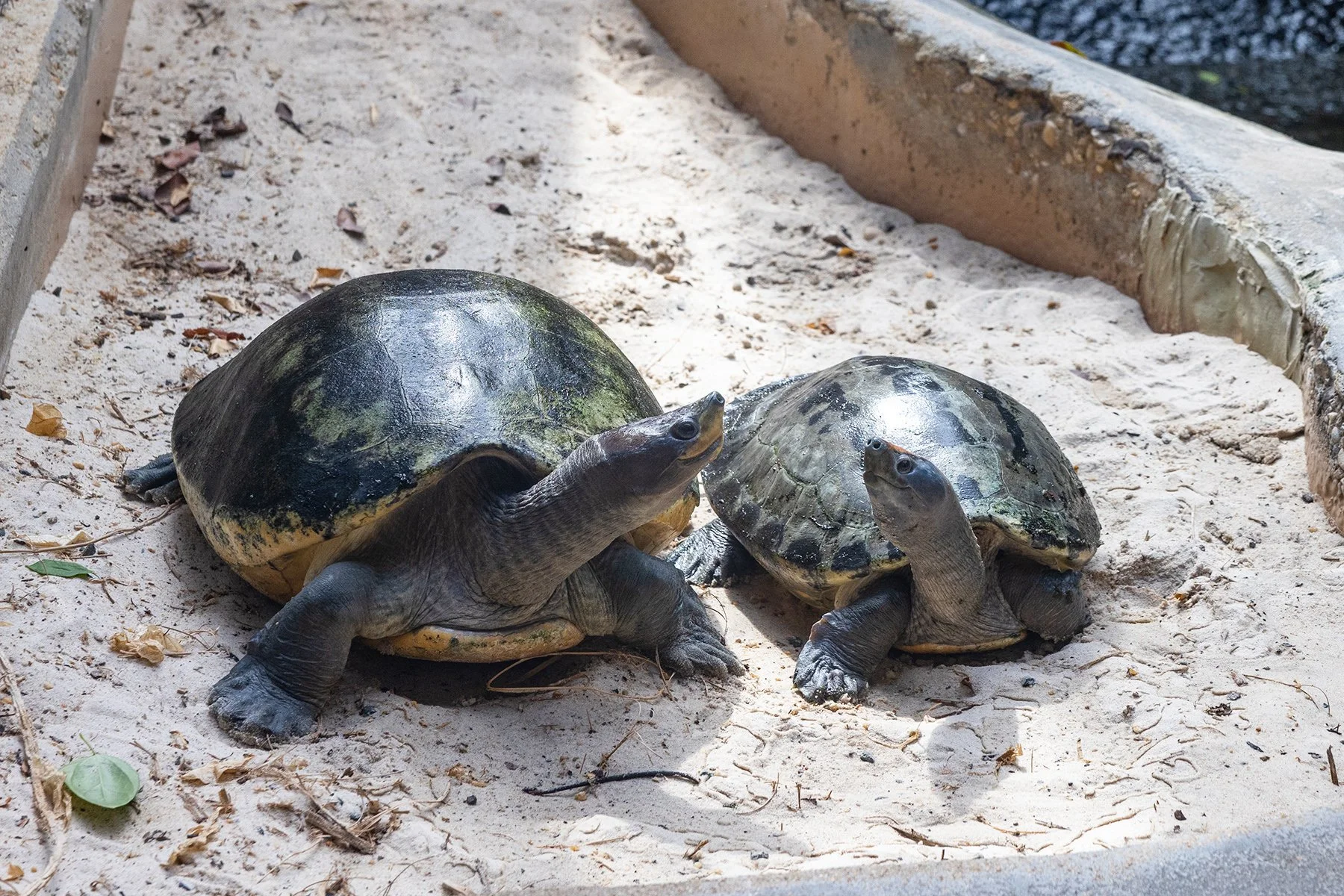
The parentage is unclear. The zoo has two adult females and two adult males in its Reptile Discovery Center. The females came from Fort Worth Zoo in 2015, and the males came from the Henry Doorly Zoo in 2017. A pair of these residents have been busy
The terrapins share their exhibit with a 12-foot tomistoma, a needle-nosed crocodilian that would happily snack on a bite‑sized hatchling, given the chance. The adults in the room are too big to eat so they’re fine, but the baby has been moved to a safer, behind‑the‑scenes habitat.
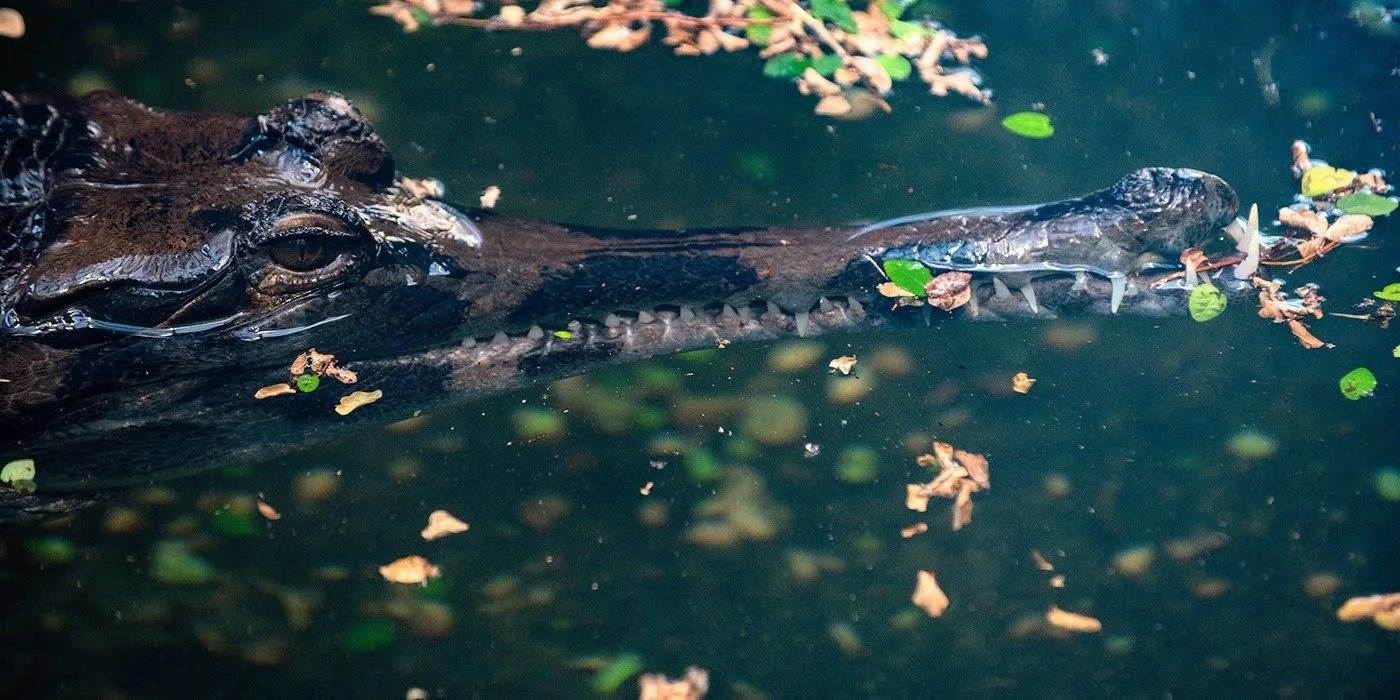
Photo credit: Connor Mallon / Smithsonian
There has been no gender reveal party yet. The color of the hatchling’s shell looks more like a male’s, but the shape of the shell is similar to a female’s. These matters will become clearer as it matures.
For now, the baby lives in a custom nursery setup that is half land, half shallow water (about four inches deep), where it can bask under UV lights.
If all goes well, by its first birthday, it will be big enough to move back into the main exhibit with the four adult terrapins and the tomistoma.
Before that happens, keepers want to be sure it can compete at the buffet table, where the adults compete to chow down romaine lettuce, dandelion greens, veggies (carrots, sweet potatoes and squash) and fruit (apples and grapes).
Painted river terrapins are native to river estuaries and mangrove swamps in Indonesia, Malaysia, Thailand, Sumatra, and Borneo. The rare, critically endangered species is hammered by habitat loss, getting caught in fishing nets, and the illegal wildlife trade. The National Zoo’s breeding success adds a badly needed boost to the delicate population.